
Why Is My House So Stuffy: Causes and Solutions
Table of Contents
What Makes a Home Feel Stuffy
Common Causes of Stuffy Air in Your Home
Poor ventilation and limited fresh-air exchange
Blocked vents and weak airflow
Closed windows and doors
Humidity and moisture problems
Dust, odours, and indoor pollutants
Identifying Poor Ventilation in House Signs
How to Make a House Less Stuffy: Practical Steps
Step 1: Free checks (no cost, under an hour)
Step 2: Measure before you spend
Step 3: Low-cost habit and moisture fixes
Step 4: Address moisture and mould properly
Step 5: Mechanical ventilation and professional assessment
When to call a professional
How to Improve Air Circulation in a Room
How to Ventilate a House in Winter
Health and Safety Warning Signs
When to Seek Professional Help
Frequently Asked Questions
Last Updated: October 17, 2026
What Makes a Home Feel Stuffy
A stuffy home feels uncomfortable and stale, and if you're wondering why is my house so stuffy, you'll notice it most in bedrooms or shared spaces.
Why is my house so stuffy? The answer often lies in how air moves through your home.
Stuffiness rarely has a single cause, it's usually several factors working together, but once you identify the cause, the fix is straightforward.
Key Takeaway Stuffy air is a sign that fresh air isn't circulating properly through your home. It's not just uncomfortable, it can affect your health and your property's condition over time.
Common Causes of Stuffy Air in Your Home
Most stuffy homes have more than one interacting cause. The useful question is which mechanism dominates in your home, because that determines which fix will work. The mechanisms below produce different patterns, so you can often narrow down the culprit before spending anything.
Poor ventilation and limited fresh-air exchange
Every home needs a steady exchange of indoor and outdoor air. Without it, carbon dioxide rises, odours linger, and pollutants accumulate. Modern homes are built tightly to conserve heat, so ventilation must be deliberate; older properties leak enough air to mask the problem until those gaps are sealed.
How to recognise it: stuffiness is worst in the morning or after several people have been in a room, improves when windows are opened, and affects most rooms rather than one. A carbon-dioxide monitor is the clearest test.
Blocked vents and weak airflow
Your heating system depends on return air reaching it. Furniture against return grilles, clogged ductwork, or closed internal doors create pressure imbalances: some rooms are starved of supply air while others cannot shed stale air.
How to recognise it: one or two rooms feel stuffy while others are fine, the stuffiness follows furniture placement or door position, or you notice weak airflow at a grille when you hold a tissue against it.
Closed windows and doors
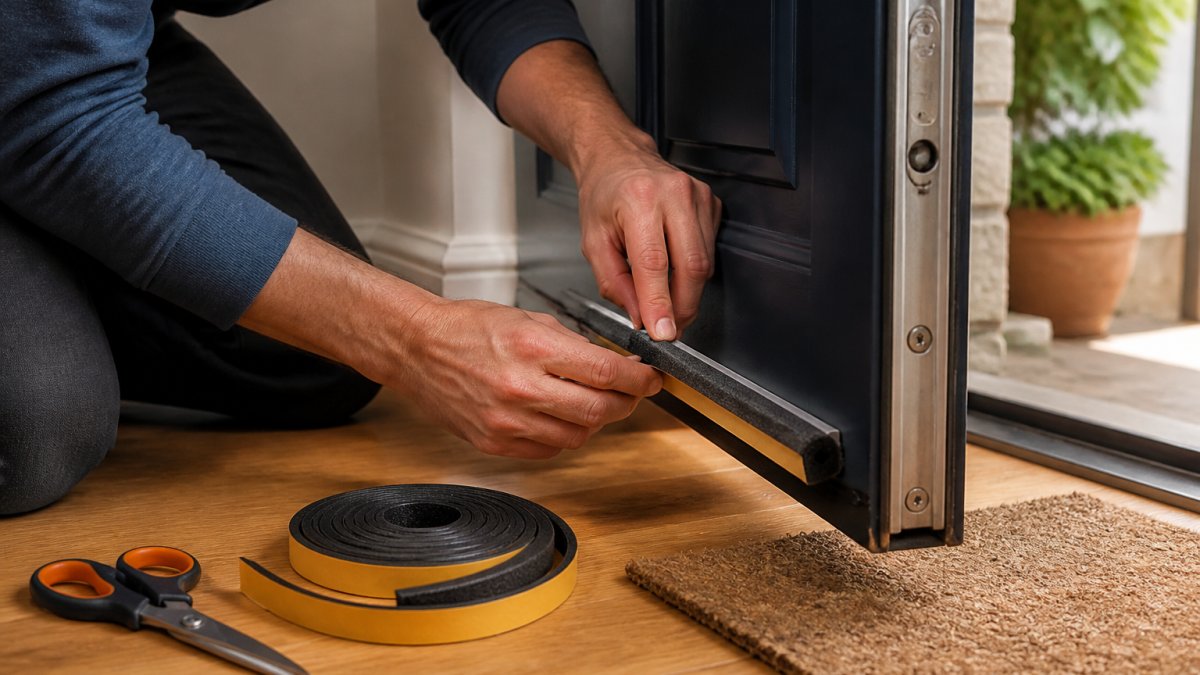
Sealing a home for warmth or security removes the accidental ventilation older properties rely on. If the heating system has no fresh-air intake, closed windows trap indoor air completely, which is why stuffiness often peaks in winter.
How to recognise it: stuffiness tracks your window-opening habits, and the home feels better after even brief ventilation. If you keep windows shut for noise, security, or pollen reasons, you need a mechanical ventilation strategy) rather than relying on opening windows.
Humidity and moisture problems
High humidity makes air feel heavy and encourages mould and condensation; low humidity irritates the respiratory system and can paradoxically feel stuffy. Measure both rather than guessing.
How to recognise it: condensation on windows in the morning, musty smells, or mould spots point to excess moisture. A cheap hygrometer will tell you whether relative humidity is consistently above the 30 to 50 per cent range that most guidance treats as comfortable.
Dust, odours, and indoor pollutants
When air does not move, particles settle and odours linger. Volatile organic compounds from paint, cleaning products, and furniture accumulate without ventilation. Air filters remove particles but not gases or odours, so a filter alone will not fix a ventilation problem.
How to recognise it: stuffiness is accompanied by a stale or chemical smell, symptoms ease when you leave the room, or dust reappears quickly on surfaces. This pattern points to a source-and-ventilation problem rather than a temperature or humidity one.
Key Takeaway Before you buy anything, decide which pattern fits: whole-home and morning stuffiness suggests ventilation; one-room stuffiness suggests airflow or pressure; condensation and musty smells suggest moisture; lingering odours and dust suggest pollutants. The fix follows the pattern.
Identifying Poor Ventilation in House Signs
Several warning signs indicate ventilation problems.

Condensation on windows appears when warm indoor air meets cold glass, most often in winter.
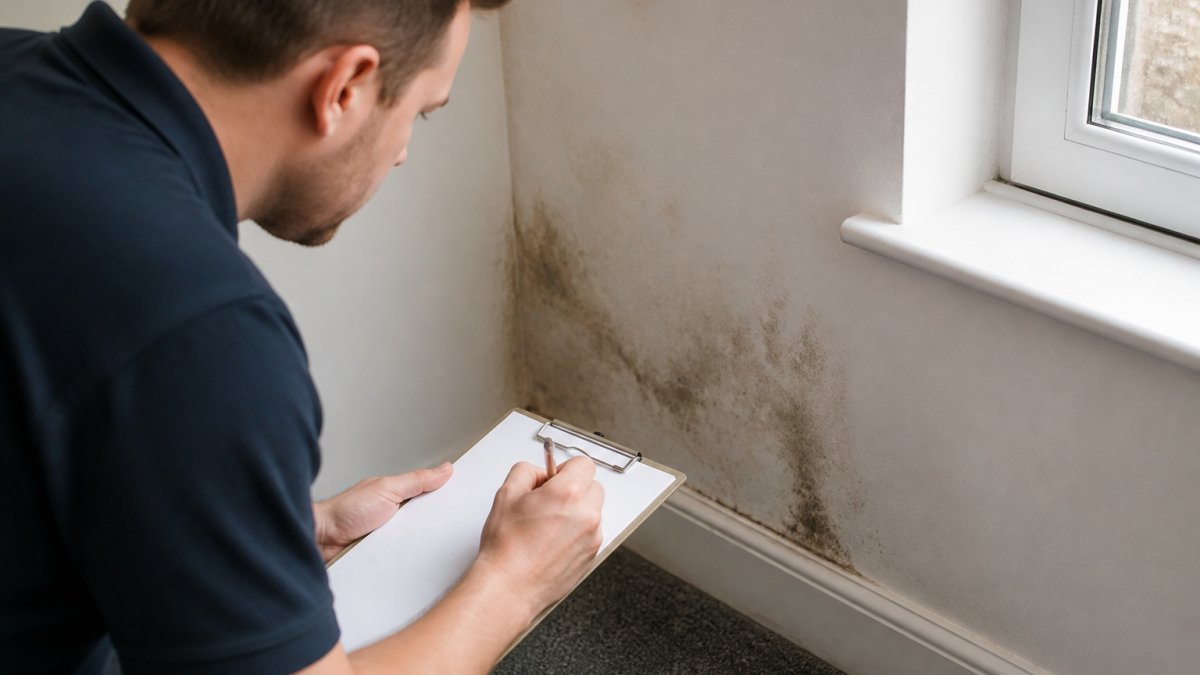
Mould or black spots on walls, ceilings, or around windows show moisture problems.
Stuffy bedrooms in the morning suggest overnight air stagnation. Sleeping with doors closed traps carbon dioxide.
Dust buildup happening quickly means air circulation is poor.
Temperature differences between rooms indicate airflow problems.
How to Make a House Less Stuffy: Practical Steps
Work through these in order, from free checks to paid interventions, so you can stop as soon as the problem resolves. Before you start, take baseline readings if you can, relative humidity with a hygrometer and, if you have one, carbon dioxide in the worst-affected room, and repeat them after each step to see what worked.
Marcin Piotrowicz Architect
Step 1: Free checks (no cost, under an hour)
Clear every return and supply grille of furniture, curtains, and stored items.
Vacuum grilles and the visible duct opening.
Open internal doors during the day so air can move between rooms.
Check that bathroom and kitchen extract fans actually pull air: hold a tissue to the grille and confirm it is drawn in.
Confirm extract fans duct outdoors rather than into a loft or wall cavity.
These steps cost nothing and often improve things within days. If they don't, the cause is likely ventilation design or moisture rather than a simple blockage.
Step 2: Measure before you spend
A hygrometer tells you whether humidity is in the 30 to 50 per cent band. A carbon-dioxide monitor is the most useful single diagnostic tool: it distinguishes inadequate fresh-air exchange from pollutant or moisture problems. Treat readings as indicators, not diagnoses, a high reading tells you ventilation is insufficient, not why, and cannot confirm mould, damp, or combustion safety.
Step 3: Low-cost habit and moisture fixes
Run extract fans during and for at least ten to fifteen minutes after cooking, showering, and bathing.
Keep bathroom doors closed while the fan runs so moist air is extracted rather than spread.
Dry laundry outdoors or in a ventilated room with the door closed and the fan on.
Ventilate briefly but widely: opening several windows for five to ten minutes exchanges air faster and loses less heat than leaving one window ajar all day.
Keep relative humidity in the 30 to 50 per cent range; use a dehumidifier in rooms that stay damp.
Step 4: Address moisture and mould properly
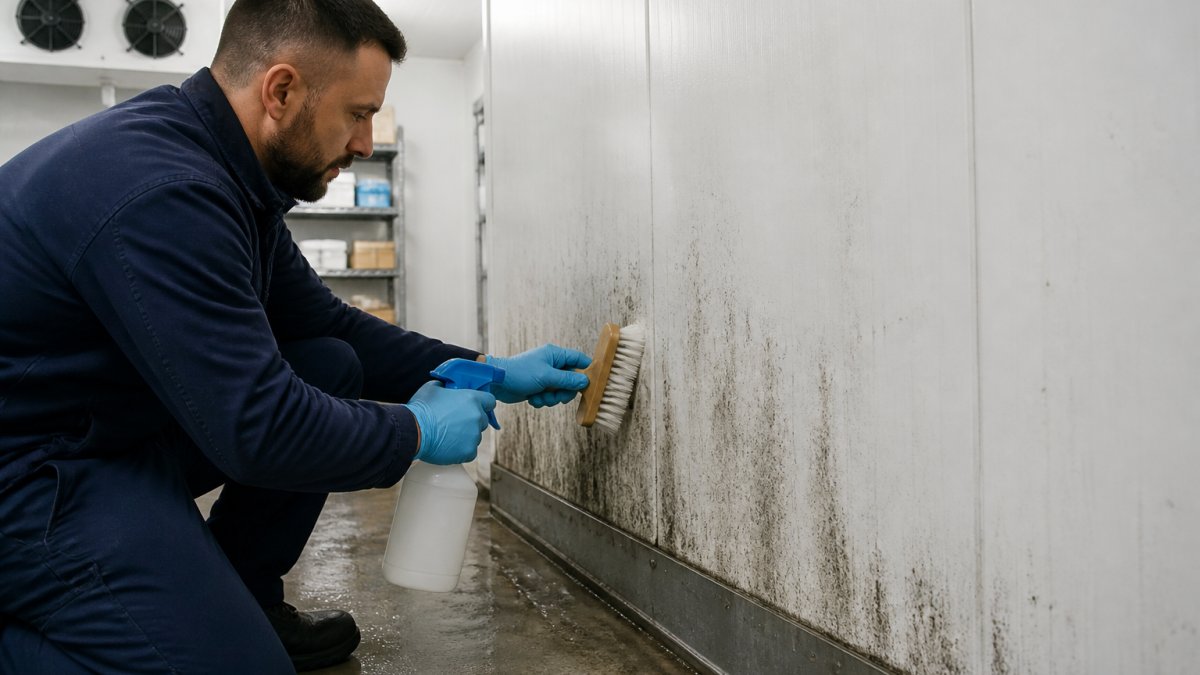
Find the source before cleaning: leaks, blocked gutters, poor drainage, condensation on cold surfaces, and failed extract fans are common culprits. Clean surface mould with an appropriate product, but it will return within weeks unless the moisture and ventilation problem is fixed. If mould covers a large area, keeps returning, or you suspect it is inside a wall or ceiling, get a qualified assessment.
Step 5: Mechanical ventilation and professional assessment
If free and low-cost steps do not solve it, the home likely has no deliberate fresh-air strategy. Options include continuous extract, demand-controlled, and heat-recovery ventilation, which brings in fresh air while recovering heat. These are installation projects with real costs, so get a qualified assessment first: a surveyor or ventilation specialist can identify whether the problem is ventilation design, a heating system without fresh-air intake, or structural damp, and recommend the smallest intervention that will work.
Watch Out Stop and seek qualified help immediately if a carbon-monoxide alarm sounds, if you smell fumes from a boiler, stove, or fire, or if symptoms such as headaches, dizziness, or breathlessness are worse indoors and ease outdoors. These are safety issues, not comfort issues, and should not be treated with DIY ventilation fixes.
When to call a professional
Call a qualified professional if mould keeps returning, condensation persists, stuffiness remains after clearing vents and improving habits, you suspect structural damp, or health symptoms track with time spent indoors. Professional diagnosis prevents paying for the wrong fix.
How to Improve Air Circulation in a Room
Single-room improvements work when stuffiness is localised. Bedrooms and offices often need targeted fixes.
Use fans. Ceiling and desk fans move air around the room.
Crack windows slightly. Even a small opening allows fresh air entry, best in mild weather.
Reduce clutter. Furniture and items block airflow. Clear spaces around vents and between furniture.
Position furniture away from vents. Return air vents need clear paths.
If one room stays stuffy despite these efforts, it likely has a ventilation design problem.
How to Ventilate a House in Winter
Winter creates unique ventilation challenges. Heating systems run constantly. Homes are sealed tight. Stuffiness peaks during cold months.
Solutions for winter:
Run bathroom and kitchen exhaust fans more frequently
Open windows briefly (even 5 minutes helps)
Use a heat recovery ventilation system if available
Ensure your heating system includes fresh-air intake
Monitor humidity with a simple meter
Winter is the best time to identify ventilation problems. If your home feels stuffy in January, the system isn't working properly. Spring improvements won't solve winter stuffiness.
Professional ventilation upgrades become most valuable in winter. Systems that bring controlled fresh air while retaining heat solve winter stuffiness permanently.
Health and Safety Warning Signs
Stuffiness sometimes signals serious problems requiring immediate attention.
Persistent headaches or fatigue upon waking suggest high carbon dioxide levels. Your bedroom isn't getting fresh air overnight.
Worsening asthma or allergies indicate poor air quality. Dust and pollutants accumulate in stuffy homes.
Respiratory irritation (cough, sore throat, congestion) that improves when ventilation improves suggests indoor air quality is the cause.
Mould growth is a serious health hazard. Mould spores trigger allergic reactions and respiratory problems.
Visible condensation every morning indicates excessive moisture, creating mould risk and suggesting structural problems.
When to Seek Professional Help
Some stuffiness problems require professional expertise; knowing when to call saves time and money.
Call a professional if:
Mould appears on walls, ceilings, or around windows
Condensation appears regularly despite your efforts
Your heating system doesn't include fresh-air intake
Stuffiness persists after clearing vents and improving ventilation
You suspect structural damp or moisture problems
Your home is older and ventilation systems are unclear
Health symptoms correlate with indoor air quality
Professional assessment identifies root causes, sometimes heating system design, sometimes structural damp, so you invest in the right solution.
Dri-House specialises in identifying and fixing exactly these problems. We combine damp treatment, ventilation upgrades, and window replacements to address stuffiness comprehensively.
Stuffiness affects how your home feels and your family's health. Start with simple fixes like clearing vents and managing humidity; if problems persist, professional help addresses the root cause rather than symptoms.
Frequently Asked Questions
Why does my house feel stuffy even when it is clean?
A stuffy house usually means air is not circulating properly or fresh air is not entering regularly. This happens because of poor ventilation, blocked return air vents, closed windows and doors, or a heating system that is not exchanging air effectively. Cleanliness alone does not solve the problem if the underlying cause is restricted airflow or inadequate fresh-air intake. Check whether your vents are clear, your HVAC system is running properly, and you are opening windows regularly.
Can poor ventilation in house signs be fixed without replacing windows?
Yes. Before upgrading windows, check for blocked vents, clear dust from air filters, ensure return air grilles are not obstructed, and confirm your heating system is operating correctly. Opening windows regularly, using extractor fans in kitchens and bathrooms, and managing humidity with a dehumidifier can improve air circulation immediately. However, if your home has structural ventilation problems or very old windows, professional ventilation upgrades or window replacement may be necessary for long-term improvement.
How can I tell if my house is making me sick?
Poor indoor air quality and stuffiness can cause headaches, fatigue, difficulty concentrating, throat irritation, and worsening of asthma or allergies. Mould growth, excess humidity, and airborne pollutants like dust and volatile organic compounds (VOCs) are common culprits. If symptoms improve when you leave home and worsen when you return, indoor air quality may be the cause. Persistent coughing, wheezing, or skin irritation also warrant investigation. If you suspect your home is affecting your health, have indoor air quality tested and consult a healthcare professional.
Does opening windows reduce humidity and stuffiness?
Opening windows helps by allowing fresh air to enter and stale air to escape, which reduces stuffiness and can lower humidity temporarily. However, in winter or during damp weather, opening windows may actually increase indoor moisture. For lasting results, combine window opening with proper ventilation (extractor fans, air vents), heating to warm air and reduce relative humidity, and dehumidification if needed. Humidity control and air circulation work together; opening windows alone is not a complete solution for persistent stuffiness.
Book Free Call
Comments