
Preventing Mould in Cold Rooms: A 2026 How-To Guide
Table of Contents
Why Cold Rooms Breed Mould: A Step-by-Step Diagnosis
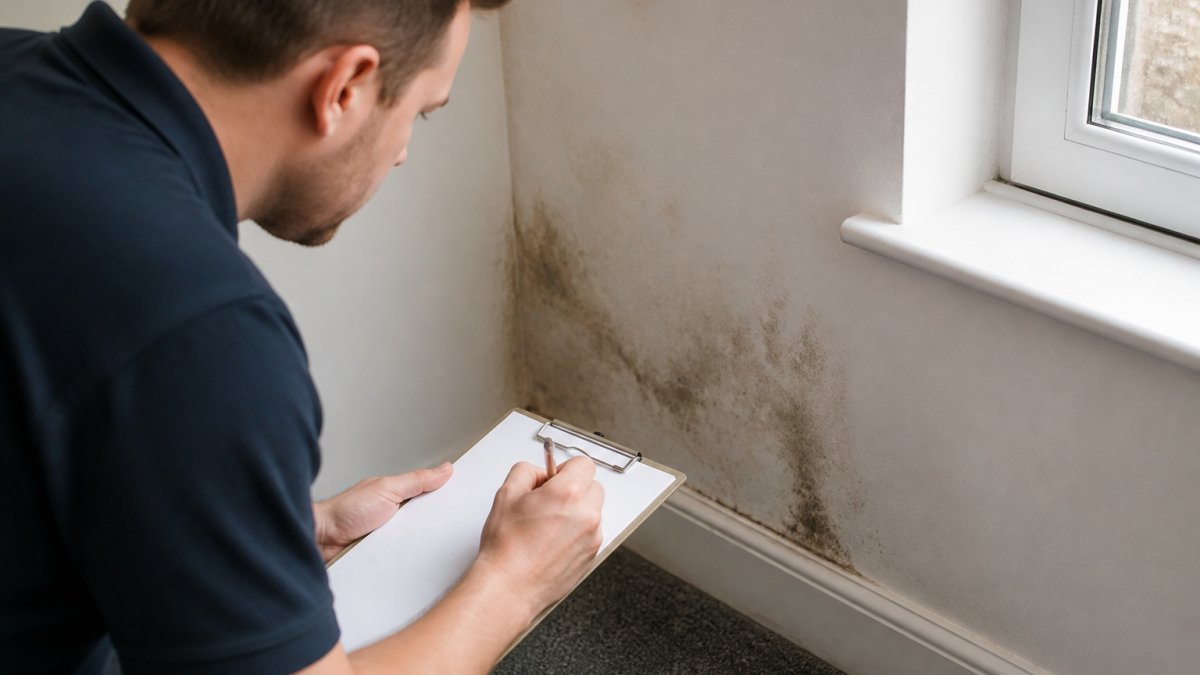
Spotting the signs: damp patches, musty smells and black spots
The Minimum Room Temperature to Prevent Damp
How to Ventilate a Room in Winter Without Losing Heat
How to Prevent Mould in a Bedroom: A Room-Specific Plan
Step 1: Diagnose why the bedroom is cold
Step 2: Set measurable targets, not vague ones
Step 3: Apply the room-specific plan
Step 4: Monitor and adjust
Choosing a Dehumidifier for a Cold Room
Size the unit to the room, not the shelf
Place it where the moisture is, not in a corner
Use it alongside heating and ventilation, not instead of them
Know when a dehumidifier is the wrong answer
Moisture Troubleshooting: Kitchens, Bathrooms and Laundry
When to Escalate: Safe Mould Cleanup and Professional Help
Frequently Asked Questions
Last Updated: October 13, 2026
Why Cold Rooms Breed Mould: A Step-by-Step Diagnosis
Preventing mould in cold rooms starts with understanding one simple fact: preventing mould needs moisture control, and cold surfaces create it.
This guide walks you through the exact steps to diagnose, fix, and prevent the problem for good.
Cold rooms are the worst offenders because they have the coldest surfaces. The Energy Saving Trust guidance on condensation and damp explains how this trapped moisture drives both damp and mould growth.
Spotting the signs: damp patches, musty smells and black spots
Catch the problem early and you save yourself a costly repair. Here's what to look for:
Damp patches on exterior walls, often near the skirting board or ceiling corners
A musty, earthy smell when you walk into the room
Black spots or speckled dark marks on walls, window frames, or grout
Peeling paint or wallpaper lifting at the edges

If you see any of these, the room has a moisture problem. The good news is that most cases are fixable.
The Minimum Room Temperature to Prevent Damp
The minimum room temperature to prevent damp is generally accepted as 15°C to 18°C. Below this, cold surfaces form and condensation follows.
Keeping a steady, low level of background heating beats short bursts of heat. Here's why: short bursts warm the air but not the walls. The warm air then hits the cold wall and condenses.
A common approach is to keep cold rooms at a consistent temperature rather than letting them drop:
Set background heating to a steady 15°C to 18°C
Avoid switching radiators off completely in unused rooms
Keep interior doors open so warm air circulates
Pro Tip A cheap thermometer and hygrometer in each cold room tells you more than guesswork. Check them weekly and you'll spot problems before mould appears.
How to Ventilate a Room in Winter Without Losing Heat
Ventilate a room in winter by opening windows in short bursts rather than leaving them ajar all day. This swaps stale, damp air for fresh air without cooling the walls.
Charlie DIYte (CharlieDIYte)
The trick is timing. Open a window wide for 5 to 10 minutes, two or three times a day. This pushes moisture out fast while the walls stay warm.
Morning: air the bedroom after you wake
After cooking: clear steam from the kitchen
After bathing: clear the bathroom
Before bed: a quick burst in living areas
Trickle vents on windows and extractor fans do this job continuously. The NHS advice on reducing damp and mould at home recommends regular ventilation as one of the simplest ways to cut indoor moisture.
How to Prevent Mould in a Bedroom: A Room-Specific Plan
A cold bedroom is rarely cold for one reason. Before you apply any prevention steps, work out why the room is losing heat, because the fix differs for each cause.
Step 1: Diagnose why the bedroom is cold
Work through these checks in order. The first one that matches is usually your root cause:
Poor insulation in the loft or walls, the room loses heat faster than the heating can replace it. Check whether the loft insulation is level and at least 270mm deep, and whether the walls are solid or cavity.
A thermal bridge, a cold strip along a wall, ceiling corner, or window reveal where the structure conducts heat straight outside. You can often feel it with the back of your hand on a cold day. These are the first places mould appears.
An unheated adjoining space, a spare room, garage, or hallway on the other side of a shared wall pulls heat out of the bedroom. The shared wall stays cold even when the bedroom is heated.
A blocked or switched-off radiator, check the radiator heats evenly across its surface. Cold patches at the bottom usually mean it needs bleeding; cold patches at the top can mean sludge.
Once you know the cause, the prevention steps below become targeted rather than guesswork.
Step 2: Set measurable targets, not vague ones
Most advice says "keep the room warm" without saying what warm means. Use these targets and check them with a cheap thermometer and hygrometer placed at bed height, away from radiators and windows:
Air temperature: 16°C to 18°C overnight, 18°C to 20°C during the day
Relative humidity: 40% to 50%. Above 60%, mould grows quickly on cold surfaces
Surface temperature: the wall or window should stay above roughly 12°C to 14°C. If it drops below the dew point of the room air, condensation forms there
A hygrometer that also shows dew point is more useful than one that only shows humidity, because it tells you whether a given surface will condense.
Step 3: Apply the room-specific plan
Keep the room at a steady 16°C to 18°C overnight rather than letting it drop and reheating in the morning
Open a window wide for 10 minutes each morning to purge the moisture you breathed out overnight
Pull furniture at least 5cm away from exterior walls so air can move behind it
Dry washing elsewhere, never on bedroom radiators, which push moisture straight into the air
Wipe window condensation each morning so it does not soak into frames and sills
Leave the bedroom door open during the day so warmer, drier air from the rest of the home can circulate
Watch Out Pushing furniture tight against cold exterior walls is the most common mistake we see. It blocks airflow and creates a hidden damp patch that spreads before you notice it. If you can't move the furniture, fit a thin ventilated spacer panel behind it.
Step 4: Monitor and adjust
Check your hygrometer weekly. If humidity sits above 60% despite the steps above, the room is not being ventilated or heated enough for its size, or there is a moisture source you have not found, such as a leaking gutter outside the wall or a slow plumbing leak under the floor. Persistent high humidity with no obvious cause is the point at which a professional damp survey is worth the cost.
Choosing a Dehumidifier for a Cold Room
A dehumidifier for a cold room must be a desiccant model, not a compressor model. Compressor dehumidifiers stop working efficiently below about 15°C, which is exactly when you need them most. Desiccant models use a heating element to pull moisture from the air and work well in unheated rooms, garages, and cold bedrooms.
Feature | Desiccant | Compressor |
Best temperature range | 1°C to 20°C | 15°C to 30°C |
Cold-room performance | Strong | Poor below 15°C |
Running cost | Higher | Lower |
Best for | Cold rooms, garages | Warm, damp rooms |
Size the unit to the room, not the shelf
Most buyers pick a dehumidifier by price and end up with one that is too small for the space. As a working rule, a desiccant unit rated at around 7 to 10 litres per day suits a single cold bedroom or small box room. A larger cold room, garage, or basement needs 12 to 20 litres per day. If the room is consistently above 70% relative humidity, go up a size rather than running a small unit constantly.
Place it where the moisture is, not in a corner
Put the unit in the middle of the room or at least a metre from walls, so air can circulate through it
Keep it away from open windows and doors, you are paying to dry the room, not the street
Close the door while it runs, then ventilate briefly afterwards to clear stale air
Empty the tank before it fills, or fit a hose to a drain for continuous running
Use it alongside heating and ventilation, not instead of them
A dehumidifier is a support tool, not a replacement for the basics. The most effective pattern in a cold room is:
Keep background heating at 15°C to 18°C so surfaces stay above the dew point
Run the dehumidifier to hold relative humidity between 40% and 50%
Ventilate briefly two or three times a day to swap stale air for fresh
Running a dehumidifier in a room that is also being heated to a sensible temperature is far cheaper than trying to dry a cold room with the dehumidifier alone, because cold air holds less moisture and the unit has to work harder.
Pro Tip A hygrometer placed next to the dehumidifier tells you whether it is actually keeping up. If humidity stays above 60% after a full day of running, the unit is undersized for the room or there is a moisture source you have not found.
Know when a dehumidifier is the wrong answer
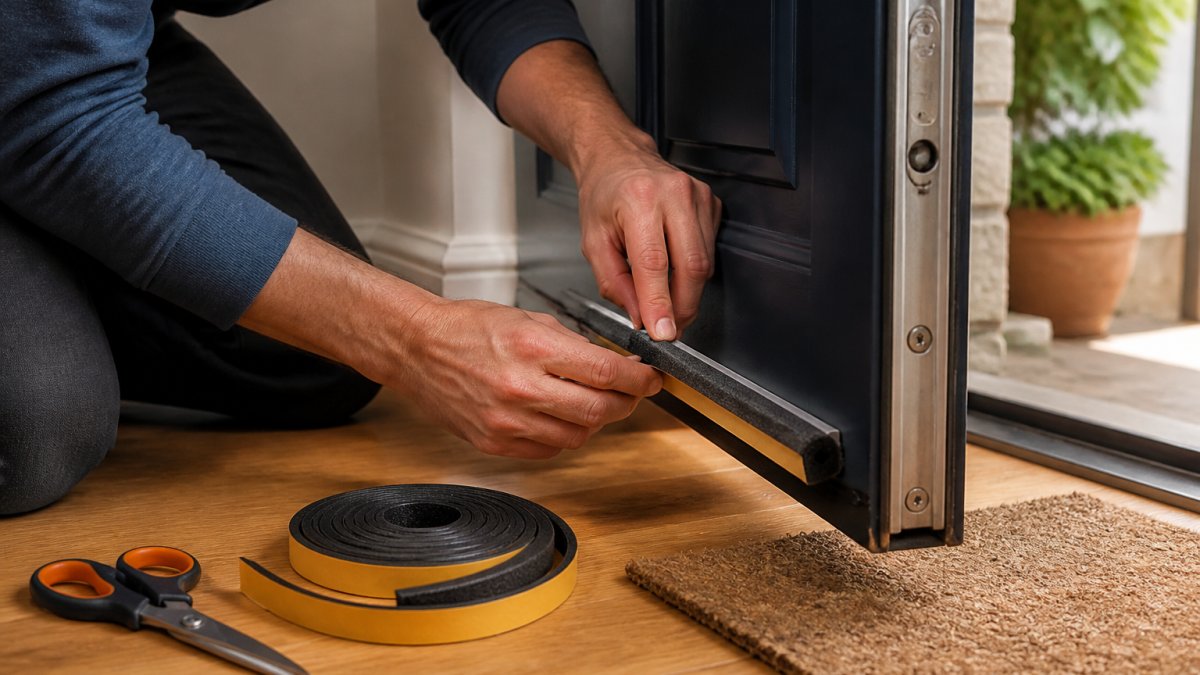
If the room stays damp even with a correctly sized desiccant unit running daily, the problem is not airborne moisture, it is water getting in. Look for failed window seals, blocked gutters, cracked render, or a slow plumbing leak. A dehumidifier will mask these for a while, but the damp will return and the underlying damage will get worse.
Moisture Troubleshooting: Kitchens, Bathrooms and Laundry
Most indoor moisture comes from cooking, bathing, and laundry. Tackle these three sources and you remove the fuel mould needs.
Kitchen: run an extractor fan while cooking and for 10 minutes after
Bathroom: use the extractor fan during and after every shower
Laundry: dry clothes outdoors or in a ventilated, heated room
Cooking: cover pans to cut steam at the source
Extractor fans should vent outside, not into a loft or wall cavity. A fan that vents into the roof space just moves the damp somewhere else.
Key Takeaway If you fix only one thing, fit and run proper extractor fans in the kitchen and bathroom. These two rooms create the most moisture in any home.
When to Escalate: Safe Mould Cleanup and Professional Help
Clean small patches yourself, but escalate larger or recurring mould to a professional.
For small areas, wipe with a damp cloth and a suitable cleaner, then dry the surface fully.
Call in help when you see:
Mould covering an area larger than a bin lid
Mould that returns within weeks of cleaning
Damp patches on walls or ceilings that stay wet
A musty smell with no visible mould
Mould near wiring or in the loft
Persistent damp often points to a deeper issue, such as poor ventilation, failed window seals, or water getting in.
We handle damp and mould treatments, ventilation, and window and door upgrades under one company, so you get one clear plan instead of guesswork. The UK government guidance on damp and mould in homes sets out why addressing the cause, not just the symptom, is the right approach.
Mould in cold rooms rarely has a single cause. It's usually a mix of low temperatures, poor airflow, and everyday moisture that never escapes.
Frequently Asked Questions
What is the minimum room temperature to prevent damp and mould?
Keep rooms at a minimum of 15°C, though 18°C is safer for living areas and bedrooms. Below this, cold surfaces like exterior walls and windows drop under the dew point, and water vapour in the air condenses on them. That film of moisture is what mould needs to grow. Consistent background heating, rather than short bursts, keeps wall temperatures above the danger zone.
Does cold air cause mould, or is it something else?
Cold air itself does not cause mould. The problem is what cold surfaces do to moisture already in the air. Warm air holds more water vapour; when it meets a cold wall or window, it releases that moisture as condensation. Mould then grows on the damp surface. So the fix is managing both temperature and humidity, not just heating.
How do you prevent mould in a cold room without heating it constantly?
If heating a spare room all day is not realistic, focus on ventilation and moisture control. Open a window briefly each morning to exchange stale, damp air. Use a dehumidifier designed for cold conditions, since standard refrigerant models lose efficiency below 15°C. Keep furniture pulled away from exterior walls so air can circulate, and check for leaks or blocked air bricks that trap moisture.
When should I get professional help for recurring mould?
If mould returns within weeks of cleaning, covers an area larger than one square metre, or comes with a persistent damp smell, it is time to call a professional. Recurring mould usually points to a structural cause such as penetrating damp, failed insulation or inadequate ventilation that surface fixes cannot solve. A qualified damp specialist can diagnose the root cause and recommend lasting repairs.
Book Free Call

Comments