
Home Insulation on a Budget: 7 Cost-Effective Steps
Last Updated: October 23, 2026
Quick Summary
Improving your home insulation budget starts by identifying where heat escapes, then tackling the cheapest fixes first like draught-proofing and loft insulation. Draught-proofing costs £5-£15 per door and loft insulation offers the best return on investment, typically paying back within 2-3 years through reduced heating bills.
The roof accounts for roughly 25% of heat loss in an uninsulated home, making loft insulation a priority.
Draught-proofing doors and windows costs £1-£15 per metre and takes minutes to install with stick-on weatherstripping.
Loft insulation should reach at least 270mm thickness and costs around £15-£25 per roll for fiberglass batts.
Window film costs £2-£5 per window, while secondary glazing ranges from £40-£150 per window.
Government grants through schemes like ECO and GBIS can cover up to 80% of insulation costs for eligible households.
Table of Contents
Identify Where Your Home Is Losing Heat
Do a room-by-room heat-loss diagnosis
Look for visible signs of poor insulation
Prioritise your upgrades by cost, effort, and impact
Draught-Proof Doors and Windows with DIY Draught Proofing Tips
Upgrade Loft Insulation for Maximum Impact
Insulate Windows on a Budget Without Full Replacement
Add Budget-Friendly Wall and Floor Insulation
Use Government Grants for Home Insulation Support
Frequently Asked Questions
Identify Where Your Home Is Losing Heat
The first step to managing your home insulation budget is figuring out where heat escapes. Most homes lose warmth through the roof, walls, windows, and doors. You can't fix what you don't know about, and on a tight budget, guessing wastes money on the wrong fix.
Start by walking around your home on a cold day. Feel for draughts near windows and doors. Check if certain rooms stay cold no matter how much you heat them. These are your heat loss hotspots.

Do a room-by-room heat-loss diagnosis
Rather than buying insulation blindly, spend an hour checking each room. A simple pattern works well:
Living rooms and bedrooms: run your hand along external walls and around window frames. Cold patches on plaster usually mean missing cavity insulation or a cold bridge. Draughts at skirting boards and letterboxes point to gaps you can seal cheaply.
Kitchen and bathroom: these rooms generate the most moisture. If you seal them tightly without ventilation, condensation and mould follow. Note any extractor fans that are weak, noisy, or blocked.
Hallways and stairwells: often the draughtiest part of a home because of the front door, loft hatch, and gaps around pipes. A cold hallway pulls warmth out of adjacent rooms.
Loft: look for compressed, patchy, or missing insulation and check that the loft hatch is draught-proofed.
Look for visible signs of poor insulation
Condensation on windows or walls
Mould or damp patches, especially in corners and behind furniture
Frost on the inside of windows in winter
Cold spots on exterior walls
Draughts you can feel with your hand
A simple test is to hold a lit candle near windows, doors, and corners. If the flame flickers, air is leaking through. This tells you exactly where to focus your budget first. For a more precise picture, a cheap handheld infrared thermometer (often £15-£30) lets you compare wall, window, and floor temperatures room by room.
Watch Out Do not confuse airtightness with insulation. Sealing every gap without adding ventilation traps moisture and can cause condensation and mould. Fix draughts, but keep bathrooms and kitchens ventilated, and never block air bricks or trickle vents.
Prioritise your upgrades by cost, effort, and impact
Once you know where heat is escaping, rank the fixes. A practical order for most homes is:
Draught-proofing, lowest cost, quickest DIY win, immediate comfort gain.
Loft insulation top-up, best return on investment for most homes, manageable as a DIY job.
Window measures, film, secondary glazing, or thermal curtains, depending on budget.
Cavity wall insulation, higher upfront cost, usually professional, worth pursuing with grant support.
Floor and solid wall work, tackle only during renovations or when other options are exhausted.
Pro Tip Start with the biggest heat loss areas. The roof accounts for roughly 25% of heat loss in an uninsulated home. Walls come second. Windows and doors lose less heat, but they're cheaper to fix quickly, which is why draught-proofing often comes first on a budget.
Draught-Proof Doors and Windows with DIY Draught Proofing Tips
Draught-proofing is one of the cheapest ways to stretch your home insulation budget. It costs very little but makes a real difference in comfort and heating bills.
Not Your Average Guys
Start with your doors. Draught excluders block cold air from sneaking under the door frame. You can buy stick-on weatherstripping for around £5 to £15 per door. It takes minutes to install. Just clean the frame, peel and stick.
For windows, draught-proofing involves sealing gaps around the frame. Here's how to do it yourself:
Clean the window frame thoroughly with a damp cloth
Measure the gaps around the frame
Buy foam tape or rubber weatherstripping (£1-3 per metre)
Cut the tape to length
Peel the backing and press firmly around the frame
Test for draughts by holding a candle near the seal
Silicone caulk works well for larger gaps. It costs £3-8 per tube and lasts for years. Apply it along the outside edge of the frame where the window meets the wall.
Watch Out Do not seal your windows completely. Your home needs ventilation to prevent condensation and mould. Leave some air gaps or install a trickle vent if you seal most of the frame.
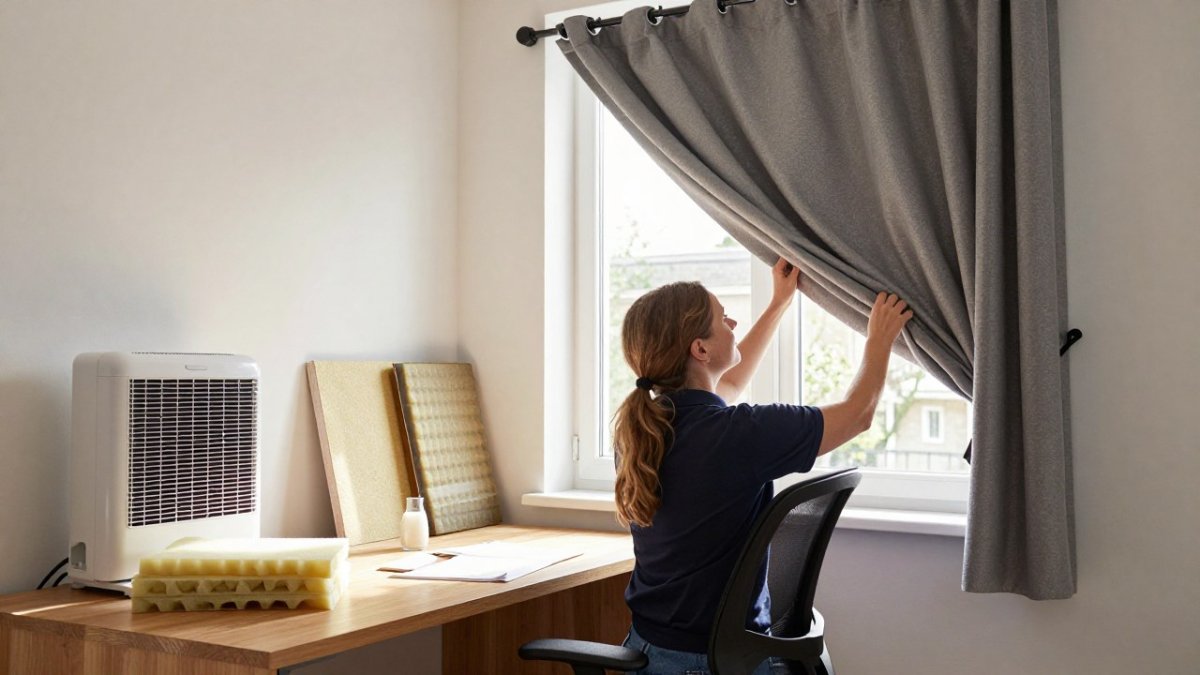
Heavy thermal curtains add another layer of insulation. They trap warm air and cost £20-50 per pair. Close them at night to keep heat in. Open them during the day to let sunlight warm the room.
Upgrade Loft Insulation for Maximum Impact
Loft insulation stops heat rising through your roof. It's one of the most cost-effective improvements you can make. Many older homes have little or no loft insulation, which means you're literally heating the sky.
Check your loft space. If you can see the wooden joists (the beams), you need more insulation. If insulation looks thin or compressed, it's not working properly.
Adding loft insulation yourself is straightforward:
Clear the loft space of clutter and debris
Measure the area you need to cover
Buy insulation rolls or batts (fiberglass or mineral wool)
Wear protective gloves, a mask, and long sleeves
Lay insulation between the joists
Aim for at least 270mm thickness for good thermal barrier performance
Insulation materials vary in cost. Fiberglass batts cost around £15-25 per roll. Mineral wool (rockwool) costs slightly more but offers better fire resistance. Blown-in cellulose is more expensive but covers awkward spaces better.
The payback period is typically 2-3 years through reduced heating bills. After that, you're saving money every winter.
Key Takeaway Loft insulation is the single biggest return on investment for home insulation on a budget. It's also one of the easiest DIY jobs for homeowners with basic confidence.
Insulate Windows on a Budget Without Full Replacement
Replacing windows is expensive. You don't need to do that to improve thermal insulation. Budget-friendly window solutions work well and cost a fraction of new windows.
Window film is the cheapest option. It's a transparent plastic sheet that adds an insulating layer. Apply it to the inside of the window frame.
Secondary glazing is better. This is a thin pane of glass or plastic fitted inside your existing window frame. It creates an air gap that acts as a thermal barrier.
Bubble wrap is surprisingly effective for a temporary solution. Yes, really. Wrap it around the window pane (bubble side facing in) and seal it with tape.
For a semi-permanent fix, install removable window inserts. These are frames with clear acrylic or polycarbonate panels that fit inside the window.
Thermal curtains (mentioned earlier) work alongside these methods. Use them together for better results. Heavy fabric curtains with a thermal lining cost £25-60 per pair and last for years.
Add Budget-Friendly Wall and Floor Insulation
Wall insulation is trickier than loft insulation but still manageable on a budget. The approach depends on your wall type, and the payback varies enormously, so compare cost, effort, and likely savings before committing.
Cavity wall insulation (if your walls have a gap between inner and outer brick) can be injected by professionals. This typically costs £1,500-£3,000 for a whole house, which is expensive upfront. However, grants may cover part of it (see next section).
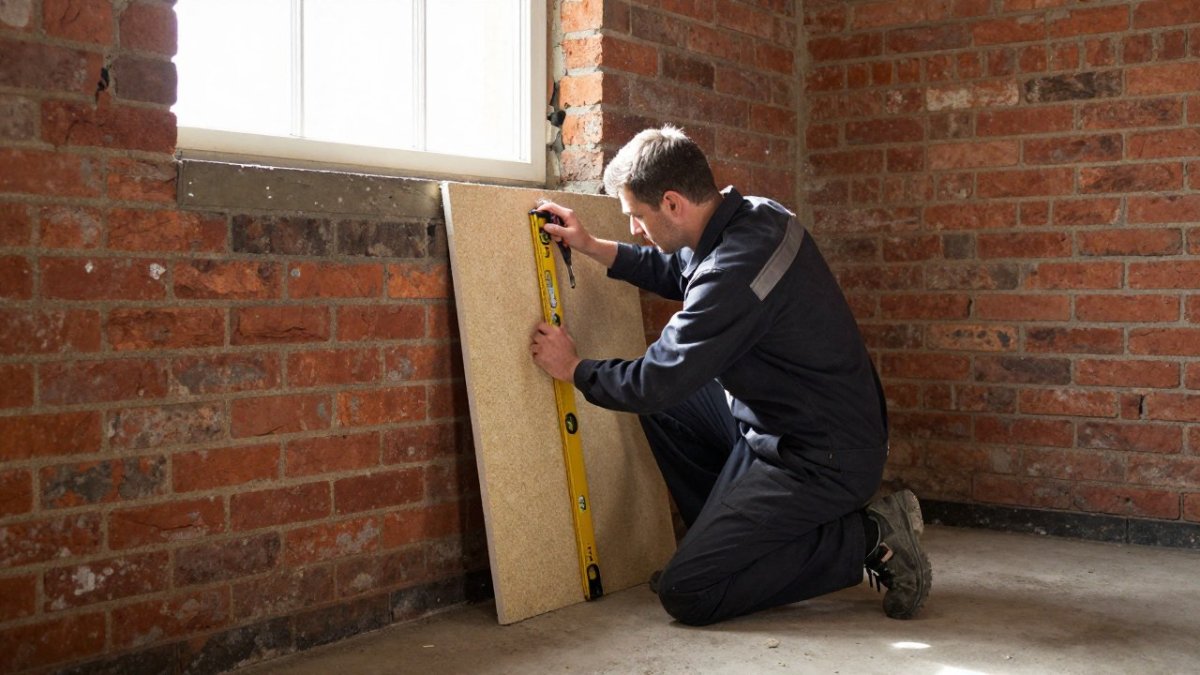
Solid wall insulation is harder. Internal insulation involves fitting boards to the inside of walls, which reduces room size and disrupts decoration. External insulation is even pricier and usually needs planning consideration.
Floor insulation works if you have access under the floorboards. Lay mineral wool or fibreglass batts between the joists. This stops heat escaping downwards.
A cheaper approach is to use rugs and carpets. They add insulation value and cost much less than structural work. Thick rugs reduce heat loss through floors significantly, especially over suspended timber floors.
Watch Out Never insulate around recessed light fittings, chimneys, or flues without checking clearance requirements, trapped heat is a fire risk. If you are renting, get your landlord's permission before making any permanent changes, and check your tenancy agreement first.
Best For Wall and floor insulation works best if you're planning renovations anyway. If your home is otherwise comfortable, invest in loft and draught-proofing first, they deliver the fastest comfort gains for the least money.
Use Government Grants for Home Insulation Support
The government offers grants and schemes to help homeowners improve energy efficiency. These can cover part of your insulation costs.
The Energy Company Obligation (ECO) scheme requires energy suppliers to fund insulation work for eligible households (Help from your energy supplier: the Energy Company Obligation).
The Great British Insulation Scheme (GBIS) provides grants for insulation upgrades (The Great British Insulation Scheme).
Check the Energy Savings Trust website for current schemes and eligibility. They list all active grants and explain how to apply.
Some local councils offer grants too. Ring your local authority to ask about energy efficiency support. Eligibility varies by region.
To access most grants:
Check your current energy efficiency rating (EPC certificate)
Confirm your household income eligibility
Contact the scheme provider or your energy supplier
Get quotes from approved installers
Apply for the grant before work starts
Complete the work and claim reimbursement
Grants don't cover all costs, so budget-friendly improvements still matter.
Pro Tip Apply for grants early. Many schemes have limited budgets and close when funding runs out. Don't assume you're ineligible, ask first.
Improving home insulation on a budget is entirely possible. Start by finding where heat escapes, then tackle the cheapest fixes first.
At Dri-House, we understand that energy efficiency matters alongside damp prevention and indoor air quality. Many homeowners find that fixing heat loss also reduces the damp and mould problems they've struggled with. The Energy Savings Trust provides detailed guidance on all available grants and schemes to help you plan your improvements.
Book a free call with Dri-House to discuss how improved insulation, ventilation, and window upgrades can work together to transform your home's comfort and energy efficiency.
Frequently Asked Questions
How much can I save on energy bills by improving home insulation on a budget?
Savings depend on your starting point and which upgrades you prioritise. Draught-proofing doors and windows typically reduces heat loss by 10-15% and costs under £100. Upgrading loft insulation can cut heating bills by 10-20% and often pays for itself within 3-5 years. Combined budget improvements across multiple areas may reduce overall energy consumption by 20-30%, though actual savings vary by property age, size, and heating system efficiency.
Can I apply for government grants to help with home insulation costs?
Yes. The Energy Company Obligation (ECO) scheme and the Great British Insulation Scheme offer grants and support for insulation improvements, including loft, cavity wall, and floor insulation. Eligibility depends on your property type, energy bills, and income. Contact your energy supplier or visit the scheme website to check if you qualify. Some grants cover most or all installation costs for qualifying properties, making professional upgrades more affordable than paying entirely out of pocket.
What are the most cost-effective DIY insulation methods I can do myself?
Draught-proofing is the cheapest and quickest DIY option: weatherstripping around doors and windows costs £20-50 and takes a few hours. Pipe lagging (wrapping exposed pipes) costs under £30 and reduces heat loss. Reflective foil behind radiators (£15-30) bounces warmth back into rooms. Blown-in loft insulation is also DIY-friendly if you rent equipment (typically £50-150 hire cost). These methods require minimal tools and deliver measurable reductions in heat loss within weeks.
How do I know if my home insulation is adequate or if I need upgrades?
Check for cold spots on interior walls, frost on windows, or condensation that won't clear. Feel for draughts around doors and windows on a windy day. If your heating bills are high relative to your property size, or if you need the heating on constantly to stay warm, insulation is likely inadequate. Loft insulation should be at least 270mm thick; if yours is visibly thin or absent, upgrading is a priority. Professional thermal imaging can identify exact heat loss areas, though visual inspection and draught testing reveal most problems.
Book Free Call
Add dri-house.co.uk as a preferred source on Google →

Comments