
Does Poor Air Quality Cause Fatigue? What the Evidence Shows
Last Updated: November 12, 2026
Quick Summary
Poor air quality can contribute to tiredness, though the evidence is strongest for certain pollutants and certain groups of people. Breathing polluted air can strain the body and disrupt sleep, leaving you feeling drained. Because tiredness has many causes, does poor air quality cause fatigue depends on your situation, so check whether symptoms change with location or weather.
Tiredness that is worse at home or in closed rooms may point to indoor air problems.
Fatigue can follow poor sleep caused by stuffy bedrooms with high humidity or carbon dioxide.
Damp, mould and condensation are signs of a moisture problem that can worsen air quality.
Carbon monoxide early symptoms, including tiredness and headache, can resemble ordinary fatigue.
See your GP if tiredness lasts more than a few weeks or affects your daily life.
Is your home making you tired?
Dri-House finds the root causes of damp and poor ventilation.
Table of Contents
Does poor air quality cause fatigue? The short answer is that it can contribute to tiredness, though the evidence is strongest for certain pollutants and certain groups of people. Breathing in polluted air can strain the body, and that strain can leave you feeling drained. Damp, mould and stale air are common problems in UK homes, and they can make it hard to pin down the cause of a constant lack of energy.
Tiredness has many possible causes, from poor sleep and stress to illness and diet. Air quality is one factor worth checking, especially if your tiredness is worse at home or improves when you leave the house. Keep reading to see what the evidence shows and what you can do about it.
How Poor Air Quality Can Lead to Tiredness and Fatigue
Fatigue is a feeling of physical or mental tiredness that does not ease with ordinary rest. Poor air quality may contribute to fatigue by making the body work harder to breathe and by disrupting sleep. Fine particles and other pollutants can irritate the airways and trigger low-grade inflammation, which may leave people feeling worn out.
Sleep is a common route. Stuffy bedrooms with high humidity or carbon dioxide can make sleep lighter and less restful, so you wake up tired even after a full night in bed.
Irritated airways make breathing feel harder
Poor sleep leaves you tired the next day
Ongoing inflammation can add to a general sense of exhaustion
Common Symptoms of Poor Outdoor Air Quality
Outdoor pollution, such as traffic fumes and fine particles from smoke, can affect how you feel. Many people notice coughing, a sore throat, watery eyes or shortness of breath on high-pollution days. Some also report headaches and a heavy, sluggish feeling.
These symptoms are not specific to air pollution, so they are easy to put down to a cold or an allergy. Symptoms that appear mainly on days with poor air quality forecasts are a useful clue. Local air quality information is published by the UK government, and the UK-Air air pollution information service shows current pollution levels in many areas.
Poor Indoor Air Quality Symptoms to Watch For
Indoor air is often worse than people expect. Cooking, cleaning products, damp, mould and poor ventilation can all add pollutants to the air you breathe at home. The World Health Organization guidance on indoor air quality identifies household air pollution as a significant health concern.
Watch for symptoms that improve when you leave the house and return when you come back. Common signs include:
Tiredness that is worst in the morning
Headaches or a stuffy head
Itchy or watery eyes
A dry or irritated throat
Worse symptoms in bedrooms or closed rooms
Signs of Poor Air Quality in the Home
Look at the house as well as the body. Visible condensation on windows, a musty smell, black spots around window frames and a persistent damp feel all point to a moisture problem. Learn how to protect your home from mould and prevent it spreading. Damp and mould are linked to poorer air quality and can make breathing harder for some people (Understanding and addressing the health risks of damp and mould in the home).
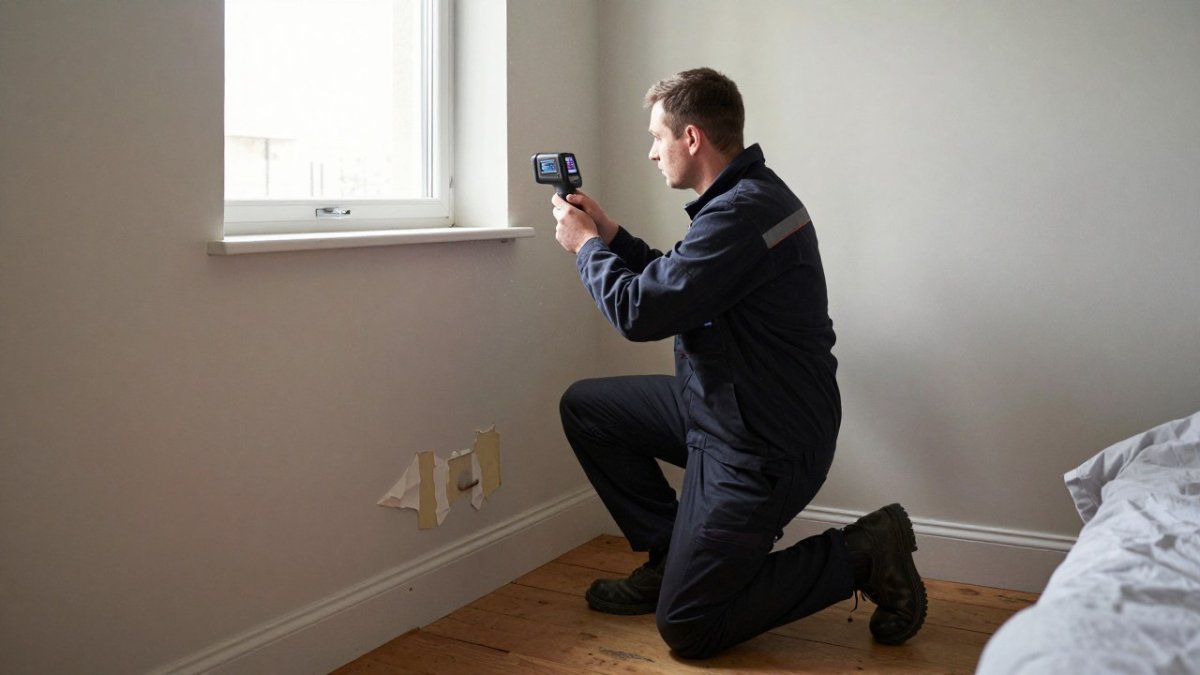
If you have these signs, a professional inspection can help you find the source. Dri-House can assess damp, ventilation and condensation issues and explain the options. A wall-mounted ceiling or wall air conditioning unit with dark vents in a beige room near a window.
Carbon Monoxide Symptoms and Why They Are Easy to Mistake for Fatigue
Carbon monoxide is a colourless, odourless gas produced by faulty fuel-burning appliances. Its early symptoms, including tiredness, headache, dizziness and nausea, closely resemble ordinary fatigue or a virus. This is what makes it dangerous.
If several people in a home feel unwell at the same time, or symptoms ease when you go outside, treat it as an emergency. Leave the property, call the emergency services and get a carbon monoxide alarm fitted if you do not already have one.
How to Tell Pollution-Related Fatigue From Other Causes
Pollution-related tiredness often follows a pattern. It tends to be worse at home, on high-pollution days, or in poorly ventilated rooms, and it may ease when you spend time outdoors away from the source.
Check whether symptoms change with location or weather
Note whether tiredness worsens after cooking, cleaning or showering
Look for damp, mould or condensation in the home
Consider sleep, diet, stress and medication as other causes
If the pattern is unclear, speak to your GP. They can rule out other causes such as anaemia, thyroid problems or sleep disorders.
How to Improve Indoor Air Quality and Reduce Exposure
Start with the basics. Ventilation is the most effective step for most homes. Open windows for a few minutes each day, use extractor fans when cooking or showering, and keep wardrobes and corners ventilated to prevent mould.
Mechanical ventilation can also help. Professional ventilation upgrades can help improve air quality and reduce condensation, which can make a real difference to how a house feels day to day. You can learn how mechanical ventilation systems improve indoor air and reduce moisture in the home.
Other practical steps include:
Fix leaks and treat damp promptly
Use a dehumidifier in damp rooms
Keep bedroom humidity around 40 to 60 percent
Avoid smoking indoors
Choose low-emission cleaning products where possible
When Tiredness Lasts and When to Get Medical Advice
Most tiredness improves when the cause is removed, but persistent fatigue should not be ignored. See your GP if tiredness lasts more than a few weeks, if it affects your daily life, or if you have chest pain, breathlessness, dizziness or unexplained weight loss.
Seek urgent help if you have severe breathlessness, confusion or chest pain. If you have asthma or another breathing condition, keep your reliever inhaler handy and follow your care plan. Poor air quality can make these conditions worse, so early advice matters.
Feeling tired all the time at home can be a sign that the air needs attention. If you suspect damp, mould or poor ventilation is part of the problem, book a damp and ventilation assessment to find out what is causing it. Dri-House can help you find a lasting fix, so you can feel better in the place you live.
Frequently Asked Questions
Can poor indoor air quality make you feel tired?
Yes, it can. Stuffy rooms with high carbon dioxide, damp, mould spores and fine particles can leave people feeling drowsy, sluggish or unable to concentrate. Symptoms often ease when you ventilate the room or spend time outside. Tiredness that appears only at home, improves away from it and comes with headaches or breathlessness is worth investigating. Ventilation and damp control are the most practical first steps, and a GP can help rule out other causes if symptoms persist.
Can damp and mould contribute to tiredness?
They can. Mould releases spores and volatile compounds that irritate the airways and may disturb sleep, particularly for people with asthma, allergies or a weakened immune system. Persistent damp also raises indoor humidity, which makes rooms feel stuffier. If you notice black spots around windows or a musty smell, addressing the source of the moisture is more effective than cleaning the surface alone. Professional assessment can identify the cause.
Does carbon monoxide cause fatigue?
Carbon monoxide often causes tiredness, along with headaches, dizziness, nausea and confusion, which is why it is easy to mistake for flu or ordinary fatigue. Symptoms typically improve when you leave the property and return when you come back. Fit a carbon monoxide alarm that meets the British standard BS EN 50291, have fuel-burning appliances serviced by a Gas Safe registered engineer, and seek urgent help from 999 if you suspect exposure.
How can I improve indoor air quality at home?
Start by controlling moisture and improving airflow. Use extractor fans in kitchens and bathrooms, ventilate bedrooms each morning, and avoid drying washing indoors without extraction. Keep humidity between roughly 40 and 60 percent, and address any leaks or condensation at source. Regular cleaning, avoiding unnecessary smoke or aerosol use, and maintaining heating appliances also help. For persistent damp or ventilation problems, a professional inspection can help identify the cause.
Comments