
Effective Damp and Mould Removal Solutions for Homes
Damp and mould can be a homeowner's worst nightmare. Not only do they create unsightly stains and unpleasant odors, but they can also pose serious health risks. The presence of mould can lead to respiratory issues, allergies, and other health problems, making it crucial to address these issues promptly. In this blog post, we will explore effective solutions for damp and mould removal, ensuring your home remains a safe and healthy environment.

Understanding Damp and Mould
What Causes Dampness?
Dampness in homes can arise from various sources, including:
Poor ventilation: Inadequate airflow can trap moisture indoors.
Leaks: Roof leaks, plumbing issues, or rising damp can introduce water into your home.
Condensation: Warm air meeting cold surfaces can create moisture.
Flooding: Natural disasters can lead to significant water damage.
The Impact of Mould
Mould thrives in damp environments and can spread quickly if not addressed. It can lead to:
Health issues: Respiratory problems, skin irritations, and allergic reactions.
Structural damage: Mould can weaken building materials, leading to costly repairs.
Decreased property value: Homes with mould issues may struggle to sell.
Identifying Damp and Mould
Signs of Dampness
Look for these indicators of dampness in your home:
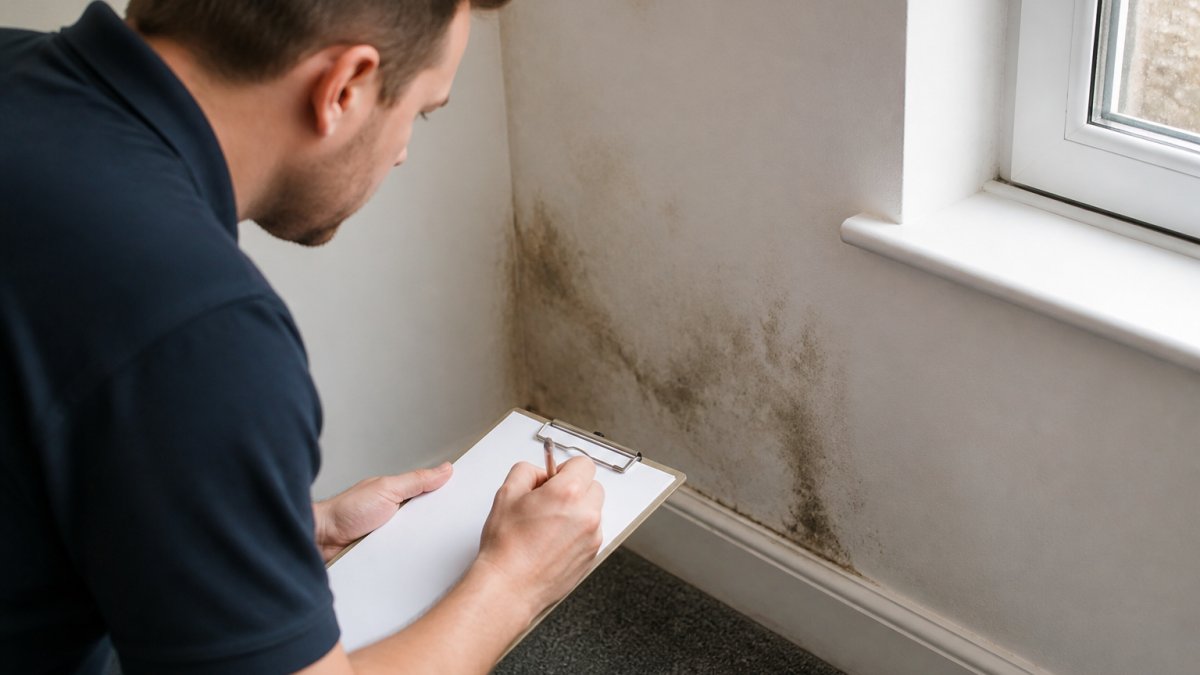
Water stains: Dark patches on walls or ceilings.
Peeling paint or wallpaper: Indicates moisture behind the surface.
Musty odors: A sign of mould growth.
Condensation: Water droplets on windows or walls.
Signs of Mould
Mould can appear in various forms, including:
Black mould: Often found in bathrooms and kitchens.
White mould: Can appear as a powdery substance on surfaces.
Green mould: Commonly found on damp wood or walls.
Effective Damp and Mould Removal Solutions
1. Identify the Source of Moisture
Before tackling mould, it’s essential to identify and eliminate the source of moisture. This may involve:
Fixing leaks: Repair any plumbing or roofing issues.
Improving ventilation: Use exhaust fans in kitchens and bathrooms.
Using dehumidifiers: These can help reduce indoor humidity levels.
2. Clean and Remove Mould
Once the source of moisture is addressed, you can focus on cleaning mould. Here are some effective methods:
Natural Cleaning Solutions
Vinegar: Spray undiluted white vinegar on the affected area and let it sit for an hour before wiping it away.
Baking soda: Mix with water to create a paste, apply it to the mould, and scrub with a brush.
Tea tree oil: Mix with water and spray on the mould; it acts as a natural fungicide.
Chemical Cleaning Solutions
For more severe mould infestations, consider using commercial mould removers. Always follow the manufacturer's instructions and wear protective gear.
3. Prevent Future Mould Growth
After removing mould, take steps to prevent its return:
Maintain low humidity: Keep indoor humidity levels below 60%.
Ensure proper ventilation: Open windows and use fans to circulate air.
Insulate cold surfaces: Prevent condensation on pipes and walls.
4. Professional Help
If mould persists despite your efforts, it may be time to call in professionals. They can assess the situation and provide specialized treatment options.
DIY Mould Prevention Tips
Regular Maintenance
Inspect your home: Regularly check for leaks and signs of dampness.
Clean gutters: Ensure they are free from debris to prevent water overflow.
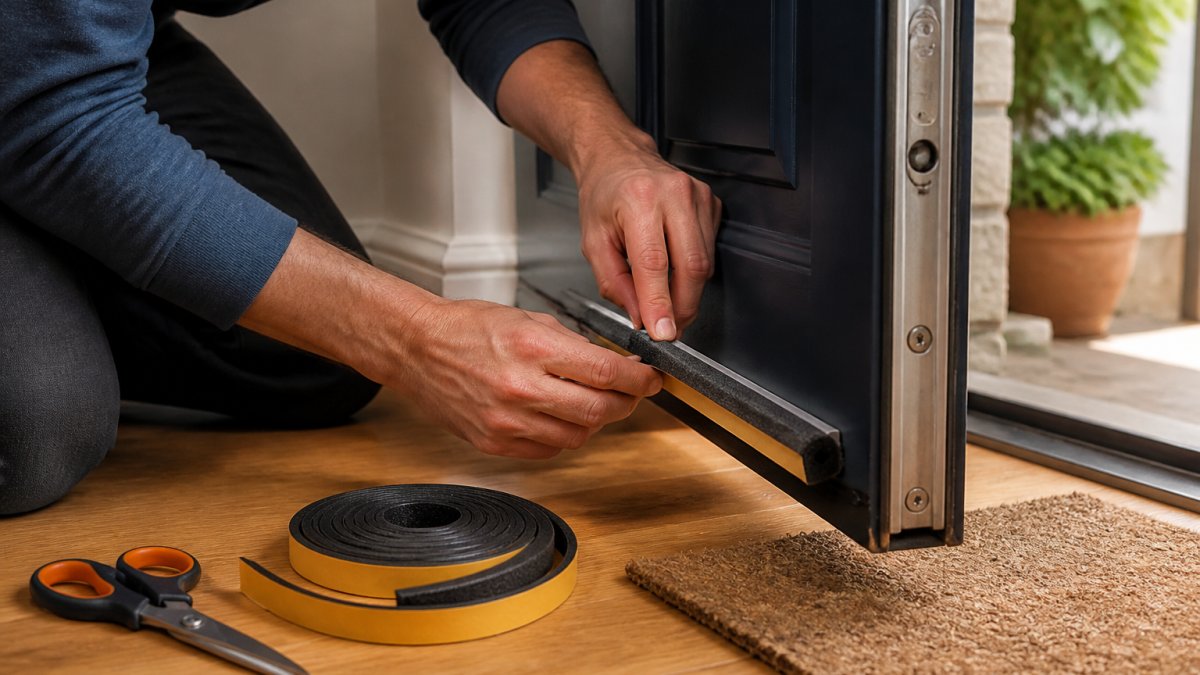
Seal windows and doors: Prevent moisture from entering your home.
Use Mould-Resistant Products
When renovating or building, consider using mould-resistant paints and materials. These can help reduce the likelihood of mould growth.
Conclusion
Damp and mould can significantly impact your home and health. By understanding the causes and implementing effective removal and prevention strategies, you can create a safe and healthy living environment. Regular maintenance and vigilance are key to keeping your home free from these unwanted guests. Take action today to protect your home and your health.

Comments