
Boost Your Home’s Energy Efficiency Today with Energy-Efficient Home Solutions
- 4 days ago
- 5 min read
Improving your home's energy efficiency is one of the smartest investments you can make. It not only reduces your energy bills but also enhances your comfort and contributes to a healthier environment. I have seen firsthand how simple changes and thoughtful upgrades can transform a property into a more efficient and enjoyable living space. In this post, I will guide you through practical steps and energy-efficient home solutions that you can implement today to boost your home's performance.
Understanding Energy-Efficient Home Solutions
Energy-efficient home solutions are designed to reduce the amount of energy your home consumes while maintaining or improving comfort levels. These solutions range from small behavioural changes to major home improvements. The goal is to use energy wisely, reduce waste, and lower your carbon footprint.
Some common energy-efficient home solutions include:
Upgrading insulation to keep heat in during winter and out during summer
Installing energy-efficient windows and doors
Using smart thermostats to control heating and cooling
Switching to LED lighting
Sealing gaps and cracks to prevent drafts
Each of these solutions plays a vital role in creating a home that works smarter, not harder, to maintain a comfortable temperature and reduce energy costs.
Practical Steps to Boost Your Home’s Energy Efficiency
Taking action to improve your home's energy efficiency can start with simple, cost-effective measures. Here are some practical steps you can take immediately:
1. Improve Insulation
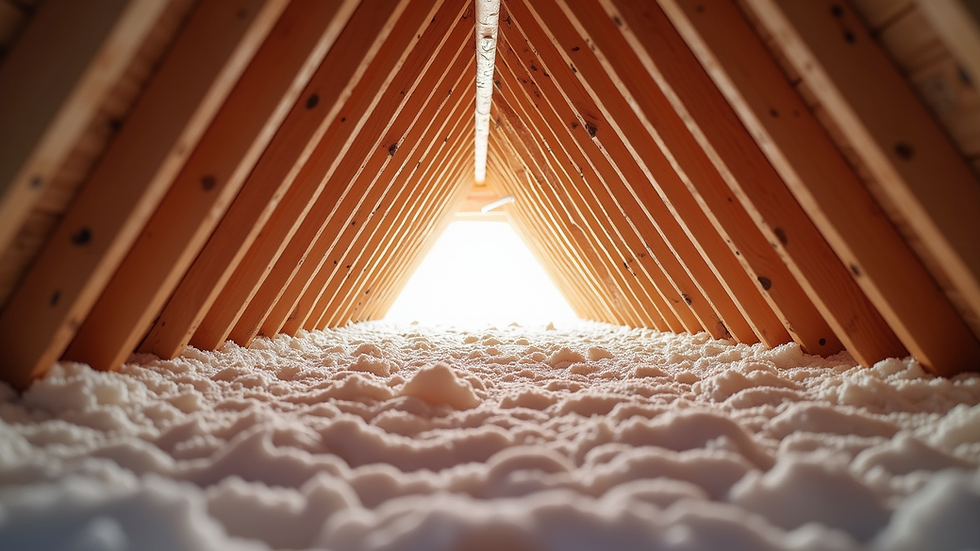
Insulation is the foundation of an energy-efficient home. Proper insulation in your walls, loft, and floors helps maintain a consistent indoor temperature. This reduces the need for heating in winter and cooling in summer.
Check your loft insulation depth; ideally, it should be at least 270mm.
Consider cavity wall insulation if your home has cavity walls.
Use draught excluders around doors and windows to seal gaps.
2. Upgrade to Energy-Efficient Windows and Doors
Single-glazed windows and old doors can be a major source of heat loss. Replacing them with double or triple-glazed units significantly improves thermal performance.
Look for windows with a low U-value, which indicates better insulation.
Ensure doors are well-fitted and insulated.
Use heavy curtains or thermal blinds to add an extra layer of insulation.
3. Use Smart Heating Controls
Heating accounts for a large portion of home energy use. Smart thermostats and heating controls allow you to manage your heating efficiently.
Set your heating to come on only when needed.
Use programmable thermostats to reduce heating when you are out or asleep.
Consider zoning your heating system to heat only occupied rooms.
4. Switch to LED Lighting
Lighting is an easy area to improve energy efficiency. LED bulbs use up to 80% less energy than traditional incandescent bulbs and last much longer.
Replace all incandescent and halogen bulbs with LEDs.
Use motion sensors or timers in less frequently used rooms.
Maximise natural light during the day to reduce the need for artificial lighting.
5. Seal Air Leaks
Air leaks around windows, doors, and other openings can cause significant heat loss.
Use weatherstripping and sealant to close gaps.
Check for leaks around chimneys, vents, and electrical outlets.
Regularly inspect and maintain seals to ensure they remain effective.
The Role of Renewable Energy in Home Efficiency
Incorporating renewable energy sources is a powerful way to boost your home's energy efficiency. Solar panels, heat pumps, and solar water heating systems can reduce your reliance on fossil fuels and lower your energy bills.
Solar Panels
Solar photovoltaic (PV) panels convert sunlight into electricity. Installing solar panels can significantly reduce your electricity costs and even allow you to sell excess energy back to the grid.
Assess your roof’s orientation and shading to maximise solar gain.
Choose high-quality panels with good warranties.
Combine solar panels with battery storage for greater energy independence.
Heat Pumps
Heat pumps extract heat from the air, ground, or water to heat your home efficiently. They use electricity but are much more efficient than traditional electric heaters.
Air source heat pumps are easier to install and suitable for most homes.
Ground source heat pumps require more space but offer higher efficiency.
Heat pumps can also provide cooling in summer.
Solar Water Heating
Solar thermal panels use the sun’s energy to heat water, reducing the need for gas or electric water heating.
Ideal for homes with high hot water demand.
Can be combined with existing heating systems.
Requires a suitable roof space with good sun exposure.

How to Prioritise Energy Efficiency Upgrades
With many options available, it can be challenging to decide where to start. Here is a simple approach to prioritising your energy efficiency upgrades:
Conduct an Energy Audit
Identify where your home loses the most energy. This can be done professionally or with DIY tools like thermal cameras.
Focus on Insulation and Air Sealing
These are often the most cost-effective improvements with immediate benefits.
Upgrade Heating and Cooling Systems
Replace old boilers or heaters with energy-efficient models or heat pumps.
Install Renewable Energy Systems
Consider solar panels or solar water heating once your home is well insulated.
Improve Lighting and Appliances
Switch to LED lighting and energy-efficient appliances to reduce electricity use.
By following this order, you ensure that each step builds on the last, maximising your home's overall efficiency.
Taking the Next Step: Professional Energy Solutions
While many energy efficiency improvements can be done independently, some require expert knowledge and equipment. I recommend consulting with specialists who understand the complexities of home energy performance.
If you want to ensure your home is optimised for energy efficiency, you can book home energy solutions with trusted professionals. They can provide a comprehensive assessment and tailor solutions to your specific needs.
Working with experts also means you can access the latest technologies and benefit from professional installation, ensuring your investment delivers long-term savings and comfort.
Creating a Comfortable and Efficient Home Environment
Energy efficiency is not just about saving money; it’s about creating a home that feels comfortable year-round. Proper insulation, efficient heating, and good ventilation improve indoor air quality and reduce dampness and mould risks.
Maintain balanced ventilation to avoid stale air.
Use energy-efficient solutions to keep your home warm in winter and cool in summer.
Regularly service heating systems to maintain efficiency.
By focusing on these aspects, you create a healthier living environment that supports your wellbeing.
Final Thoughts on Boosting Your Home’s Energy Efficiency
Improving your home's energy efficiency is a journey that pays off in comfort, savings, and environmental impact. Start with simple steps like sealing drafts and upgrading lighting, then move on to bigger projects like insulation and renewable energy systems.
Remember, the key to success is a well-planned approach and, when needed, professional guidance. By taking action today, you are investing in a safer, healthier, and more energy-efficient home for the long term.
Take control of your home's energy use and enjoy the benefits of a smarter, more efficient living space.


Comments