
Choosing Energy Efficient Kitchen Appliances: How?
Last Updated: November 4, 2026
Quick Summary
The best way to choose energy efficient appliances for your kitchen is to read the A-G energy label, compare the annual kWh figure, and match the size to how your household actually cooks, stores food and cleans up. Judge each model on running cost over its lifespan, not on the purchase price or the letter alone.
Every new appliance sold in the UK carries an energy label rating it from A (most efficient) to G (least efficient).
Check the annual kWh figure as well as the letter, since two appliances in the same band can differ.
Multiply the label's annual kWh by your electricity unit rate to estimate the yearly running cost.
Buying an oversized appliance wastes energy, so match capacity to your household size.
Keep fridges around 4°C, freezers at -18°C, and defrost the freezer when ice builds up.
Table of Contents
Choosing energy efficient appliances for your kitchen is one of the quickest ways to cut household running costs without giving up the convenience you rely on every day. Kitchen appliances are often a hidden drain on the energy bill, and choosing them with care can make a homes cheaper to run. A fridge freezer left running around the clock, an old oven that never quite holds temperature and a dishwasher run on the hottest cycle can add up quickly.
Most homeowners underestimate how much of their electricity goes on kitchen equipment. The right replacements, chosen with care, can reduce that load for years. The point is not to buy the most expensive model on the shop floor. It is to match the appliance to how your household actually cooks, stores food and cleans up.
Kitchen appliances tend to run for long periods, which is why efficiency matters more here than in many other rooms. A refrigerator operates constantly, so a small improvement in its consumption multiplies over the course of a year. Ovens, hobs, kettles and dishwashers add further demand at peak times, when electricity can be dearer.
A common mistake is replacing an appliance because it looks tired, while ignoring whether it is actually costing you money. Check the label first. Then compare the running cost against the upfront price over the expected lifespan of the product.
Efficient kitchen appliances also tend to be quieter and more consistent in temperature, which makes daily use more pleasant. Better insulation inside a fridge or oven means less work for the compressor or heating element, and that usually means fewer breakdowns over time.
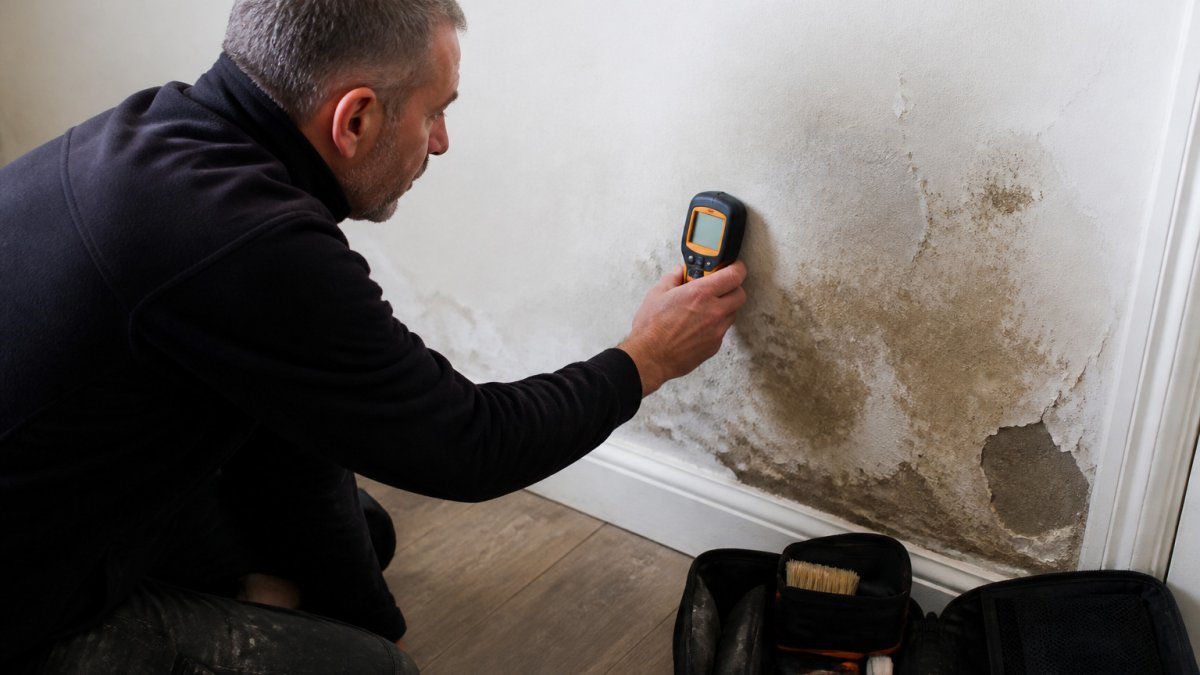
Choosing efficiently is also about the whole home. Steam from cooking and dishwashing can feed condensation on cold surfaces, so a sensible appliance upgrade should sit alongside good extraction and airflow. That approach protects both your energy bills and the fabric of the property.
Energy Efficiency Labels Explained: Reading the A-G Scale
Energy labels are the fastest way to compare appliances on a like-for-like basis. Every new appliance sold in the UK carries one, rating it from A (most efficient) to G (least efficient) (Regulations: energy information). The label also shows the estimated annual energy consumption in kilowatt hours (kWh), which gives you a concrete figure to compare.
Read the label before you read the marketing. The rating tells you how efficient the appliance is relative to its size and type. Two fridge freezers in the same band may still differ in annual kWh, so check the number as well as the letter.
Labels are useful, but they have limits. A larger appliance can use more energy in absolute terms even when it carries a better rating. Always match capacity to your household size, not just to the band on the label.
Watch out: a high rating does not guarantee low running costs if the appliance is oversized for your needs. A huge fridge freezer half empty most of the time wastes power just as surely as an old, inefficient one.
Calculating the Cost of Running Kitchen Appliances
Running cost depends on three things: the appliance's annual consumption in kWh, the price you pay per unit of electricity, and how often you use it. Multiply the annual kWh figure on the label by your current electricity unit rate, expressed in pence per kWh, to estimate the yearly cost. Check your own tariff for the exact rate, since it varies between suppliers and can change.
Prices depend on model, retailer, delivery and installation, so use the energy label figures and your current tariff to build your own estimate, then compare quotes from retailers directly.
!A homeowner in a bright UK kitchen reading an energy label on a new fridge freezer while holding a printed energy bill

Comparing the running costs on the energy label with your bill can also help you decide when an older appliance is no longer worth keeping and how to
responsibly.
When comparing, look beyond the purchase price. A cheaper appliance with a poor rating can cost more over five or ten years. Work out the total cost of ownership before deciding.
Choosing the Right Size and Type for Your Household
Size matters as much as efficiency. Buying a larger appliance than you need wastes energy every time it runs, and an undersized one may run harder to keep up. Consider how many people you cook for, how often you shop and whether you need freezer space for bulk buys.
For fridge freezers, look at the split between fridge and freezer capacity, and whether the model has a no-frost function that suits your habits. For ovens, consider whether a compact or multi-function unit would replace more than one appliance. For dishwashers, check how many place settings a full load holds against how often you run it.
A practical approach is to measure your kitchen and your daily needs first, then shortlist models that fit. Planning ventilation at the same time can help ensure new appliances do not add to condensation problems in the room.
How to Reduce Kitchen Energy Consumption Day to Day
Efficient appliances work best when used well. Small habits can cut energy use considerably:
Keep the fridge at around 4°C and the freezer at -18°C, and avoid leaving the door open.
Use lids on pans to reduce cooking time and heat loss.
Run the dishwasher only when full, and use an eco cycle where available.
Descale the kettle regularly so it heats water faster.
Defrost the freezer when ice builds up, since thick frost forces the compressor to work harder.
Watch out: blocking the rear grille or placing a fridge against a hot oven forces it to work harder and shortens its life. Leave space for air to circulate.
Smart Controls, Standby Power and Renewable Energy Links
Many newer appliances include smart controls that let you schedule cycles, monitor use from a phone and run dishwashers or washing machines during cheaper off-peak periods, if your tariff supports time-of-use rates. Check whether an appliance integrates with your home energy monitor before you buy.
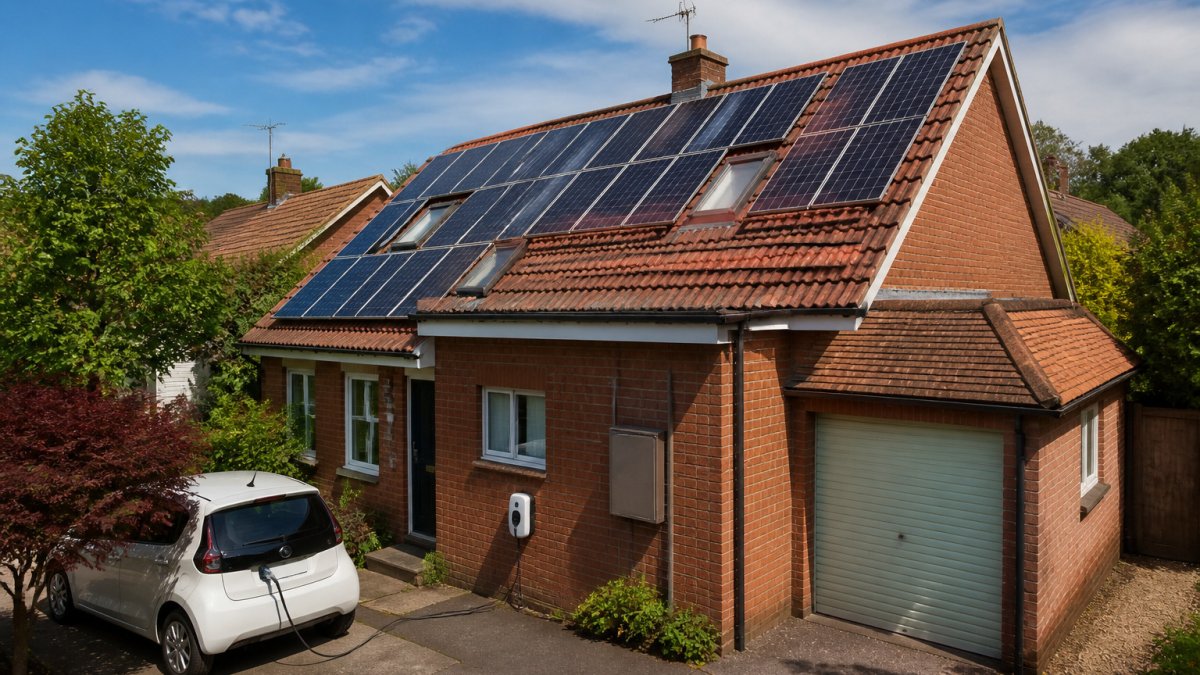
Standby power is a quieter drain. Appliances left on standby still draw electricity, so switch off or use a socket with a switch for kitchen devices you rarely use, such as coffee machines and toasters. Households with solar panels or a battery can time appliance use to match generation, which can make a noticeable difference to the bill over a year.
Disposing of Old Appliances and Booking Your Next Step
When replacing an appliance, do not simply leave the old one at the kerb. In the UK, retailers selling new electrical goods must usually take back a similar old item when you buy a replacement, and local councils run household waste recycling centres for fridges and other large appliances (Electrical waste: retailer and distributor responsibilities: Take back waste in store). Fridges contain refrigerant and must be handled by licensed recyclers, so check with your council or retailer about the correct route.
If you are considering kitchen upgrades alongside damp, ventilation or window work, Book Free Call to talk through your home and the improvements that will make the biggest difference.
Frequently Asked Questions
What energy rating should I look for when buying kitchen appliances?
Look for the most efficient rating available on the EU-style energy label that appears on most appliances sold in the UK, which runs from A to G. Appliances rated A or B are typically the most efficient options on the market today, though the scale has changed over time, so check the label carefully. Compare the stated annual energy consumption in kWh alongside the rating, because two appliances with the same letter can still differ in running cost. Pay particular attention to the capacity and noise figures on the label as well, since these affect whether the appliance suits your household.
Do energy efficient appliances actually save money on electricity bills?
They can, but the saving depends on how much you use the appliance and what you replace it with. A more efficient fridge freezer, for example, runs continuously, so even a modest reduction in annual kWh adds up over its lifespan. Multiply the stated annual consumption by your electricity unit rate, which you can find on your energy bill, to estimate yearly running cost. Replacing a very old appliance usually produces a bigger saving than swapping one reasonably efficient model for another.
How do I read the UK energy efficiency label?
The label shows an energy rating from A to G at the top, a figure for annual energy consumption in kWh, and additional data such as noise level and capacity. Use the letter as a quick comparison, then check the kWh figure for a more precise view of running costs. Labels for some appliance types use different scales, so compare only like with like. Our guidance on energy efficiency labels explained in this article should help you interpret the less obvious entries.
Is it worth replacing old kitchen appliances for energy efficiency?
It depends on the age and condition of the appliance. An old appliance that is working well and used lightly may not justify early replacement, but one that is failing, unusually noisy or consuming far more power than newer models is a strong candidate. Consider the upfront price alongside the expected running cost over several years rather than focusing on purchase price alone. Pricing varies with model, retailer and installation needs, so check current prices directly before deciding.

Comments