
Is Damp Treatment Worth the Cost? A 2026 Guide
Table of Contents
When Damp Treatment Makes Financial Sense
Understanding Damp Survey Cost Before You Commit
Rising Damp Treatment Cost and Long-Term Value
What actually drives the cost
The cost-versus-benefit calculation
Why the treatment works
Damp Treatment Options: Comparing Methods and Outcomes
Getting Accurate Damp Proofing Quotes for Your Property
When Damp Treatment Is Not Worth the Investment
Diagnose before you pay
Scenarios where treatment is not the right spend
What treatment is worth paying for
Guarantees and failure risks
Frequently Asked Questions
Last Updated: October 12, 2026
When Damp Treatment Makes Financial Sense
Deciding whether is damp treatment worth the cost comes down to three factors: the extent of the problem, the damage it's causing, and what happens if you leave it untreated.
Damp isn't just uncomfortable. It damages walls, rots timber, and can make your home harder to sell. But treatment costs money, and not every damp problem justifies professional intervention. The key is understanding what you're actually paying for and what you'll get back.
At Dri-House, we help homeowners make this decision by looking at the real long-term picture. Small, isolated condensation issues might respond to better ventilation alone.
The question isn't whether damp treatment is worth the cost in absolute terms. It's whether treating it now costs less than ignoring it and dealing with the consequences later.
Understanding Damp Survey Cost Before You Commit
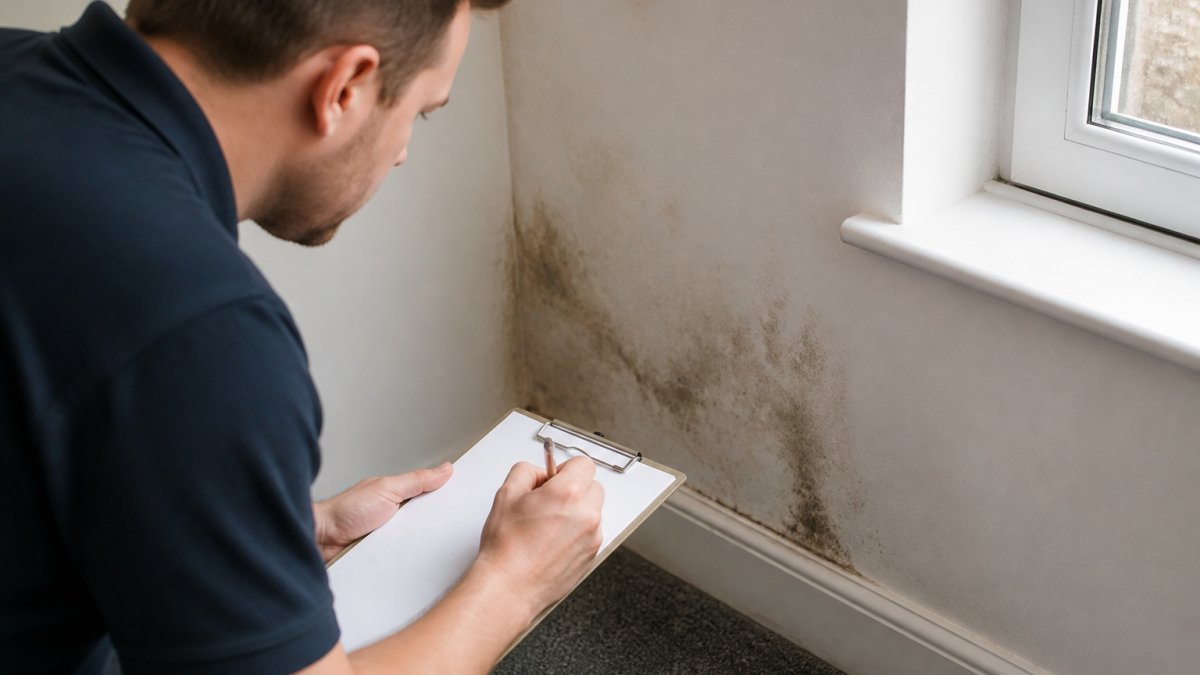
A damp survey is your first step. It tells you what type of damp you have, how far it's spread, and what will actually fix it.

Many homeowners skip the survey to save money upfront. This usually backfires. You end up treating the wrong problem, or you treat symptoms instead of the cause. A survey costs far less than paying for failed treatments or unnecessary work.
The survey identifies:
Rising damp (moisture climbing from the ground)
Penetrating damp (water entering from outside)
Condensation (moisture from inside air)
Salt contamination (which prevents replastering)
Each type needs different treatment. A surveyor will also spot issues you can't see, like plumbing leaks hiding behind walls or blocked drainage causing water to pool against your property.
Without a survey, you're guessing. With one, you know exactly what you're paying for and why.
Rising Damp Treatment Cost and Long-Term Value
Rising damp is the most common structural damp problem. It happens when the damp-proof course (the barrier built into your walls to stop ground moisture) fails, is bridged by raised external ground levels, or was never installed properly in the first place.
Rising damp treatment typically involves injection treatment, which introduces a chemical damp-proof course into the affected walls. Holes are drilled at intervals along the base of the wall, the injection fluid is pumped in under pressure, and it cures to form a new barrier that stops moisture climbing further. Once the walls dry out, salt-contaminated plaster is removed and the wall is replastered with a renovating plaster or a salt-resistant backing coat before decoration.
What actually drives the cost
Damp-proofing prices vary widely because the work is priced per property, not per problem. The main cost factors are:
Linear metres of wall treated, injection is charged by the metre, so a single wall costs far less than a whole ground floor.
Wall thickness and construction, solid nine-inch brick, cavity brick and stone behave differently, and thicker walls need more injection points and more fluid.
Number of courses, some properties need a single injected course, others need two or a combination of injection and a physical membrane.
Plaster removal and reinstatement, hacking off salt-damaged plaster and replastering to the correct height is often the largest single line item, and it is frequently underestimated.
Access and disruption, skirting removal, kitchen units, radiators and floor finishes all add labour.
Making good and decoration, the injection itself is rarely the expensive part; putting the room back together usually is.
A damp survey is typically a few hundred pounds, and many contractors deduct it from the treatment cost if you proceed.
The cost-versus-benefit calculation
Rather than asking whether is damp treatment worth the cost in the abstract, work through the numbers for your own property:
Cost of treatment now, survey, injection, replastering, making good and decoration.
Cost of doing nothing, salt and moisture damage spreading to more plaster, skirting and timber; joinery and floor repairs; potential structural repairs if the damp reaches floor timbers or lintels; and the cost of emergency remedial work later, which is almost always higher than planned work now.
Energy and comfort costs, damp walls are cold walls. A persistently damp property is harder and more expensive to heat, and that cost recurs every year you delay.
Resale impact, a surveyor acting for a buyer will flag rising damp, and lenders and buyers frequently use it as a negotiating lever. Treatment with a transferable guarantee is usually cheaper than the price reduction a buyer will demand for an untreated problem.
Health and disruption, mould, musty odours and the ongoing cost of replacing damaged belongings are real, if harder to quantify.
If the treatment cost is less than the combined cost of likely repairs, higher heating bills, a resale discount and the risk of escalation over the next few years, treatment is worth doing. If the damp is minor, localised, or caused by something cheap to fix, it usually is not.
Why the treatment works
Injection damp-proofing has been used for decades and, when the diagnosis is correct and the work is done properly, it stops moisture rising through the wall. Salt contamination from rising damp damages plaster and mortar, and left untreated it eventually affects the structural integrity of the walls. The long-term value is straightforward: you stop the damage spreading, protect your property's resale value, and reduce the health problems associated with mould growth. Most homeowners see rising damp as worth treating because the alternative, living with damp walls, mould and structural decay, is worse than the cost of fixing it.
Injection treatment only works if the diagnosis is right. If the real cause is a leaking pipe, bridged damp-proof course, blocked drainage or high external ground levels, an injected course will not fix it and you will have paid for the wrong remedy. Always confirm the cause before committing to treatment.
Damp Treatment Options: Comparing Methods and Outcomes
Different damp problems need different solutions.
Injection treatment stops rising damp by creating a chemical barrier in the walls.
Tanking seals affected walls from the inside, trapping moisture behind a waterproof membrane.
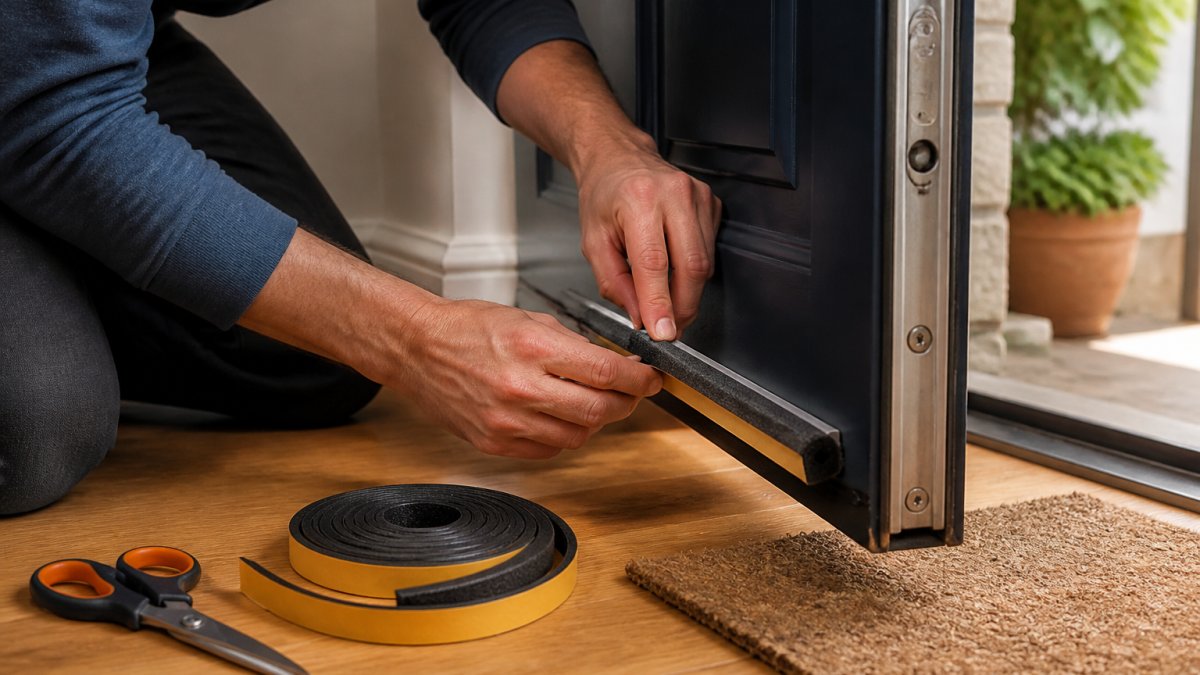
Improved ventilation reduces condensation by removing excess moisture from the air. It's the cheapest option and works well for condensation-only problems.
Drainage and guttering repairs address penetrating damp caused by water pooling against your walls or leaking gutters.
Replastering with damp-resistant plaster comes after treatment. It replaces salt-damaged plaster and prevents moisture from wicking back up.
Each method has different costs and timescales. Injection treatment takes weeks for walls to dry. Ventilation improvements show results within days.
The outcome depends on choosing the right treatment for the right problem. That's why the survey matters so much.
Getting Accurate Damp Proofing Quotes for Your Property
Once you know what damp you have, get quotes from professional contractors. Don't rely on price alone.
A good quote includes:
What work is included (survey, treatment, replastering, decoration)
How long the work takes
What guarantees come with the treatment
How they'll handle disruption to your home
Payment terms and whether they offer staged payment
Compare at least two quotes. Look for contractors who explain the problem clearly and answer your questions without pressure. If a quote seems unusually cheap, ask why. It might mean lower quality materials or skipped steps.
Written quotations matter. They protect you if disputes arise later. They also let you compare apples to apples, what's included in one quote might not be in another.
Ask about guarantees. Reputable contractors stand behind their work. A written guarantee gives you recourse if treatment fails or new damp appears shortly after completion.
At Dri-House, we provide transparent quotes that spell out exactly what you're paying for.
When Damp Treatment Is Not Worth the Investment
This is the section most damp-proofing articles avoid, because the honest answer is that a significant share of 'damp' problems do not need an injected damp-proof course at all. Getting the diagnosis right is what separates a worthwhile spend from wasted money.
Diagnose before you pay
Before accepting any quote for damp-proofing, confirm which of these you actually have:
Condensation, water on cold surfaces, black spot mould in corners, window reveals and behind furniture, worse in winter and in kitchens and bathrooms. Caused by moisture in the air, not by water entering the structure.
Penetrating damp, localised damp patches on external walls, often after rain, sometimes with a tide mark. Caused by defective pointing, cracked render, failed gutters, downpipes or roofing.
Rising damp, a low-level band of damp, typically up to around a metre, with a tide mark, salt staining and plaster blowing near the skirting. Caused by a failed or bridged damp-proof course.
Leaks, plumbing, drainage or heating leaks can mimic all of the above and are frequently misdiagnosed as rising damp.
A proper survey uses a moisture meter, sometimes a carbide meter or gravimetric testing, and looks at the building as a whole, external ground levels, drainage, gutters, ventilation and history. If a contractor quotes for injection treatment without investigating these, treat the quote with caution.
Scenarios where treatment is not the right spend
Minor condensation in one room. If you only see condensation on bathroom windows after showers or occasional misting in the kitchen, improve ventilation first.
Damp in a property you are about to demolish or significantly renovate. If major structural work is planned, treating existing damp in isolation is usually wasted money.
Rising damp in an outbuilding or rarely used space. If it is not affecting living areas or the main structure, monitoring may be more sensible than treating.
Damp in a listed building or older solid-wall property. These need a different approach.
Damp in a rented property. The repairing obligation usually sits with the landlord, and in serious cases the local authority's environmental health team can require action.
What treatment is worth paying for
Damp treatment makes sense when:
The damp is widespread and affecting multiple walls
It is causing visible damage, salt staining, plaster failure, mould, rotting skirting or timber
It is affecting your health or home comfort
It is lowering your property value or blocking a sale
The root cause is genuinely a failed damp-proof course, not a simple fix like a leaking pipe or raised ground level
Guarantees and failure risks
If you do proceed, understand what the guarantee actually covers. Ask for the guarantee in writing, check whether it is insurance-backed, and confirm what happens if damp returns. A guarantee is only as good as the firm standing behind it, so check how long the company has been trading and whether it belongs to a recognised trade association.
The cheapest quote is rarely the best value if it skips the survey, uses a generic diagnosis, or offers no meaningful guarantee. The most expensive quote is rarely the best value if it recommends injection for a problem that better ventilation or drainage would solve. The right spend sits between the two, and it starts with an honest diagnosis.
Frequently Asked Questions
Can rising damp ever be fixed permanently?
Yes, rising damp can be treated effectively with professional damp-proof course installation or injection treatment. The key is addressing the root cause: water ingress from the ground. A properly installed or injected damp-proof course creates a barrier that prevents moisture rising through walls. Success depends on correct diagnosis, quality of materials, and addressing any structural or drainage issues contributing to the problem. A written guarantee from a qualified contractor provides reassurance of the treatment's effectiveness.
What should a damp survey include before agreeing to treatment?
A thorough damp survey should identify the type of damp (rising, penetrating, or condensation), locate affected areas, measure moisture levels, assess salt contamination, check for plumbing leaks or drainage problems, and evaluate ventilation. The surveyor should explain findings clearly, recommend treatment options suited to your property, and provide a written report with photographic evidence. This diagnostic step is essential before committing to any treatment, as misdiagnosis leads to wasted money on ineffective solutions.
Can you treat damp yourself, or do you need a specialist?
Some condensation issues respond to improved ventilation and reduced moisture sources, which homeowners can address. However, rising damp and penetrating damp require professional intervention. DIY approaches like surface treatments or temporary fixes mask symptoms without solving the underlying problem. A specialist diagnoses the root cause, applies the correct treatment method, and provides guarantees. For older properties with structural damp, professional treatment is the only reliable option and typically offers better long-term value than repeated DIY attempts.
How can you tell whether a damp treatment has worked?
After treatment, moisture levels should decline measurably within weeks to months, depending on the method and property. Mould growth should stop, and the affected area should feel drier. A qualified contractor can retest moisture levels with a meter to confirm success. Watch for cessation of new salt crystallisation, improved plaster condition, and better indoor air quality. Most professional treatments come with a guarantee; if damp returns within the guarantee period, the contractor is obliged to investigate and retreat at no cost.
Book Free Call

Comments