
How to Choose a Damp Proofing Company: 2026 Guide
Table of Contents
What to Look for When Choosing a Damp Proofing Company
Essential Qualifications and Certifications for Damp Specialists
Understanding Damp Survey Cost and What's Included
Red Flags: What to Avoid When Hiring a Damp Proofing Contractor
Guarantees for Damp Proofing Work: What Protection You Need
Average Cost of Damp Proofing and Budget Planning
Questions to Ask Before You Commit
Post-Treatment Maintenance and Long-Term Care
Frequently Asked Questions
Last Updated: September 27, 2026
What to Look for When Choosing a Damp Proofing Company
When you choose damp proofing company services, you're making one of the most important decisions for your property. A poor choice can leave you with recurring damp, wasted money, and ongoing structural damage. A good one solves the problem permanently and protects your home's long-term value.
The difference between a competent specialist and an average contractor often comes down to a few critical factors: qualifications, transparency, and whether they actually diagnose the root cause before proposing a solution. Most homeowners don't know what to look for, which is why they end up hiring the first company that calls them back or the one with the cheapest quote.
When you choose damp proofing company partners, verify three things immediately: professional credentials, whether they conduct a proper survey, and whether they stand behind their work with a genuine guarantee. A company that rushes to quote without investigating your specific situation is already a red flag.
Pro Tip Before you meet with any contractor, ask yourself: "Are they diagnosing my damp problem, or are they selling me a solution?" The best damp proofing specialists ask questions first and prescribe treatment second.
Essential Qualifications and Certifications for Damp Specialists
Professional qualifications separate competent damp specialists from those who are simply trading on reputation. The two main credentials you should look for are CSRT (Certified Surveyor of Remedial Treatment) and CSSW (Certified Specialist in Structural Waterproofing). These aren't optional badges, they indicate someone has passed rigorous technical assessments and understands the science behind damp diagnosis and treatment.

When a damp specialist holds CSRT certification, they've demonstrated competency in identifying rising damp, penetrating damp, and condensation, the three primary types of moisture problems. They understand salt contamination, structural waterproofing methods, and remedial treatments. CSSW certification goes further, focusing specifically on structural waterproofing and long-term moisture control strategies.
Beyond individual certifications, the company itself should be a member of a recognised trade association. Membership in bodies like the Property Care Association indicates the business maintains professional indemnity insurance, follows industry standards, and agrees to dispute resolution processes (Why Choose PCA | Trusted Specialists). This matters because it gives you recourse if something goes wrong.
Ask directly: "What qualifications do your surveyors hold?" If they hesitate, change the subject, or claim they don't need formal credentials, that's your signal to look elsewhere. Legitimate specialists are proud of their credentials because they've earned them through study and examination.
Watch Out A contractor claiming "decades of experience" without formal qualifications is a common red flag. Experience matters, but without CSRT or CSSW certification, they may have decades of doing the same thing wrong.
Understanding Damp Survey Cost and What's Included
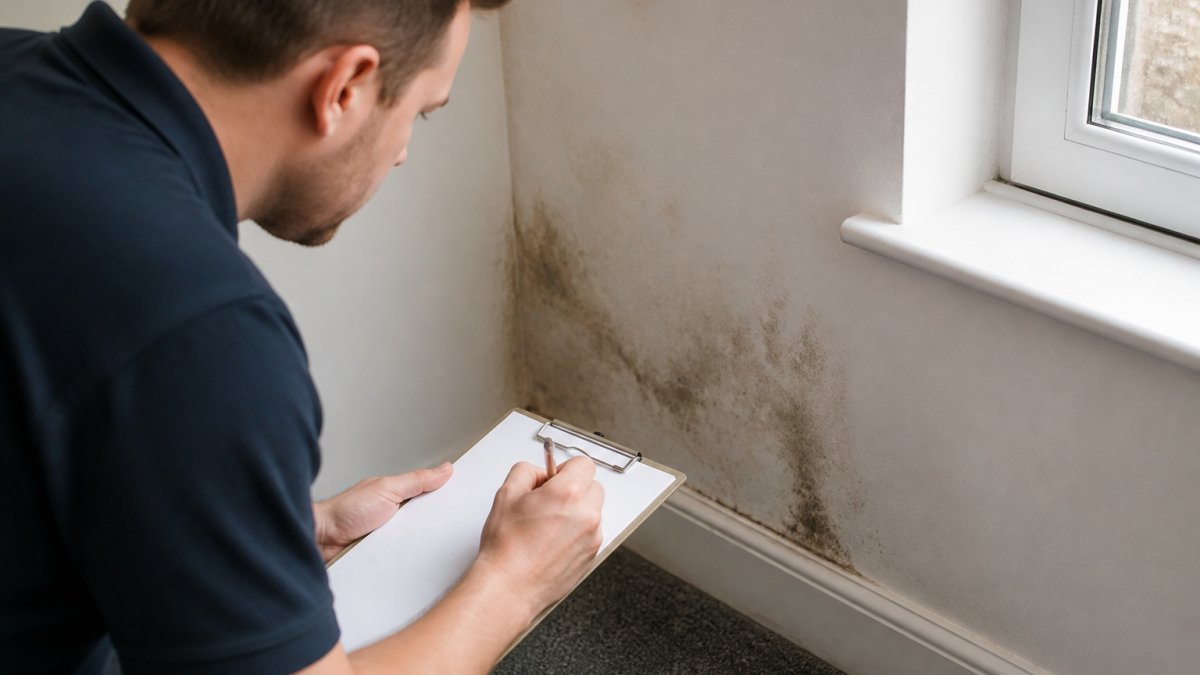
A proper damp survey isn't a quick walkthrough, it's a systematic investigation that forms the foundation of any treatment plan. Understanding what a damp survey should include helps you evaluate whether a company is doing thorough work or just checking boxes.
A comprehensive survey typically includes moisture meter readings to measure dampness levels across affected areas, hygrometer assessments to evaluate humidity and condensation risk, visual inspection of plaster, timber, and structural elements, and identification of the damp type (rising, penetrating, or condensation). The surveyor should also examine ventilation, identify any salt contamination in masonry, and assess whether timber preservation is needed.
The cost of a damp survey varies depending on property size and complexity, but you should expect a professional to spend at least an hour on-site. A reputable company will provide a detailed written report with photographs, moisture readings, and a clear explanation of findings, not just a verbal summary and a quote.
Free surveys exist, but they often come with a catch: the company offering them has already decided what treatment you need before they've finished investigating. This creates an obvious conflict of interest. A truly independent surveyor has no financial incentive to recommend expensive solutions, so they can give you honest advice about whether remedial treatment, ventilation improvements, or a combination approach is actually needed.
At Dri-House, we invest time in proper diagnosis because the wrong treatment wastes your money and leaves the damp unsolved.
Red Flags: What to Avoid When Hiring a Damp Proofing Contractor
Certain warning signs indicate a contractor isn't trustworthy or competent. Learning to spot these red flags before you sign anything saves you thousands of pounds and months of frustration.
The first red flag is a quote without a survey. If a company gives you a price over the phone or after a 15-minute visit, they're guessing. They haven't measured moisture levels, identified salt contamination, or assessed ventilation, they're simply assuming your problem matches their standard solution. This approach fails regularly.
A second warning sign is pressure to decide quickly. Legitimate specialists give you time to think, ask questions, and get a second opinion. Contractors who say "this offer expires today" or "we're only in your area this week" are using sales tactics, not professional practice.
Beware of companies that guarantee results without discussing the root cause. If they promise to fix your damp without explaining whether it's rising damp, penetrating damp, or condensation, and without addressing underlying issues like poor ventilation or structural waterproofing, they're overselling.
Watch Out If a contractor dismisses your concerns about cost or timeline, or becomes defensive when you ask for references, trust that instinct. Professional specialists welcome scrutiny because they know their work stands up to it.
Guarantees for Damp Proofing Work: What Protection You Need
A guarantee is your insurance policy against failed work. Understanding what to look for in a guarantee protects you if problems resurface after treatment.
Your guarantee should specify:
What's covered (the specific damp treatment, remedial work, or structural waterproofing applied)
How long it lasts (typically 10-25 years for quality work)
What triggers a claim (recurrence of damp in treated areas under normal conditions)
What's excluded (damage from external factors like flooding, or issues caused by homeowner negligence)
Average Cost of Damp Proofing and Budget Planning
The cost of damp proofing depends on several factors: the extent of the damp, the type of treatment required, the size of affected areas, and whether additional work like plaster replacement or ventilation improvements is needed. There's no single "average" because every property is different.
Questions to Ask Before You Commit
Before signing a contract, ask these questions to verify the contractor's competence and commitment to solving your problem properly.
Post-Treatment Maintenance and Long-Term Care
The work doesn't end when the contractor leaves. Proper maintenance after damp treatment ensures the solution lasts and prevents problems from recurring.
Key Takeaway The best damp proofing investment is one where you understand the problem, trust the contractor's diagnosis, and commit to post-treatment maintenance. A quick fix without proper care rarely lasts.
Frequently Asked Questions
What qualifications should a reputable damp proofing specialist hold?
Look for CSRT (Certified Surveyor in Remedial Treatment) or CSSW (Certified Specialist Surveyor in Woodworm) qualifications, which demonstrate formal training and competence. Specialists should also hold professional indemnity insurance and membership with recognised trade associations. These credentials protect you by ensuring the contractor understands rising damp, penetrating damp, and condensation issues, and can recommend appropriate remedial treatments without cutting corners.
How much does a damp survey cost, and what should it include?
Damp survey costs vary based on property size and complexity, so ask for a specific quotation upfront. A thorough survey should include moisture meter readings, visual inspection of affected areas, identification of the damp type (rising, penetrating, or condensation), assessment of the damp-proof course, and a detailed written report with recommendations. Beware of free surveys that pressure you into immediate treatment; independent surveyors provide more objective advice than contractors offering surveys to secure work.
What does an insurance-backed guarantee for damp proofing work actually protect me against?
An insurance-backed guarantee typically covers defects in remedial treatments and materials for 10-25 years, depending on the provider. It protects you if the damp returns or the treatment fails within that period. Always ask for the guarantee in writing, check the insurer's name and terms, and confirm whether the guarantee is transferable if you sell the property. This is far more valuable than a contractor's verbal promise, as it offers independent financial protection.
How can I tell if a damp proofing company is legitimate before hiring them?
Check their trading history, ask for references from recent clients, verify they hold professional indemnity insurance, and confirm membership with trade associations or the Property Care Association. Request a detailed written quotation that breaks down costs and timescales. Be wary of companies that pressure you, offer suspiciously low prices, or refuse to provide references. Legitimate specialists welcome scrutiny and explain their approach clearly.
What's the average cost of damp proofing, and how do I budget for it?
Damp proofing costs depend on the property size, damp severity, and treatment type required. Pricing varies significantly, so obtain multiple quotations from qualified contractors. Ask each one to itemise costs separately for survey, treatment, plaster replacement, and any structural work. Be cautious of quotes that seem unusually cheap; they may indicate corner-cutting or hidden costs. Request a clear timescale and payment schedule before committing.
Why is independent advice important when choosing a damp proofing company?
An independent surveyor has no financial interest in recommending unnecessary treatment. Contractors offering free surveys may recommend more expensive solutions to maximise profit. An independent assessment identifies the true cause of damp, whether it's rising damp, penetrating damp, condensation, or a combination, and recommends only the treatments you genuinely need. This protects your wallet and ensures the solution actually solves your problem.
What should I do after damp proofing treatment to maintain the results?
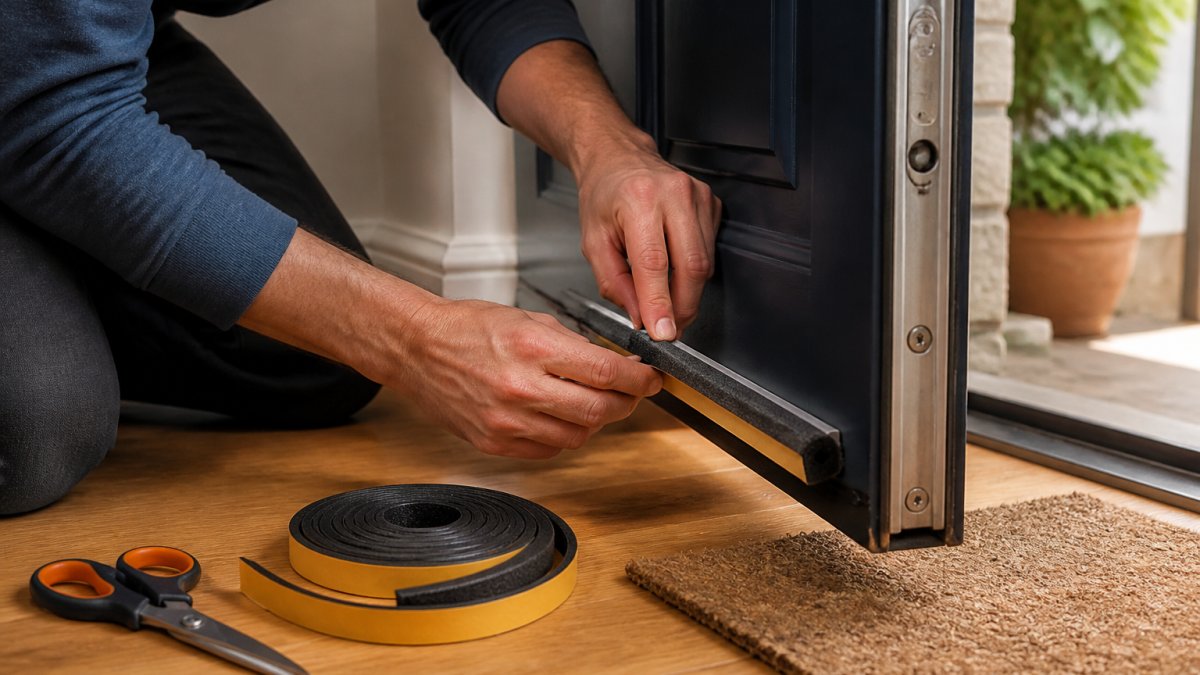
After remedial treatment, maintain good ventilation by opening windows regularly, especially in kitchens and bathrooms, to reduce condensation. Monitor treated areas for signs of salt contamination or plaster damage, and report any issues to your contractor promptly. Ensure gutters and downpipes remain clear to prevent water penetration. If you've had new windows or doors fitted, clean seals regularly. Keep humidity levels moderate, typically 30-50%, to prevent mould regrowth and protect your investment.
Book Free Call

Comments