
Understanding the Health Risks of Damp and Mould in Your Home
Damp and mould are more than just unpleasant sights or smells in a home. They can seriously affect your health and well-being. Many people underestimate the risks that come with living in a damp environment or having mould growth indoors. This post explains the health problems linked to damp and mould, how they develop, and what you can do to protect yourself and your family.

How Damp and Mould Develop in Homes
Damp happens when moisture builds up inside a house. This can be due to poor ventilation, leaks, condensation, or rising damp from the ground. When dampness persists, it creates the perfect environment for mould to grow. Mould spores are everywhere in the air, but they only multiply when they find moisture and organic material like wood, wallpaper, or dust.
Common causes of damp and mould include:
Leaking pipes or roofs
Poor ventilation in bathrooms and kitchens
Condensation on cold surfaces like windows and walls
Flooding or water damage
Inadequate heating
Understanding these causes helps you spot problems early and take action before mould spreads.
Health Problems Linked to Damp and Mould
Living in a damp home with mould can cause a range of health issues. The effects vary depending on the type of mould, the amount of exposure, and individual sensitivity. Children, elderly people, and those with respiratory conditions are often more vulnerable.
Respiratory Issues
Mould releases tiny spores that can irritate the lungs when inhaled. This can lead to:
Coughing and wheezing
Shortness of breath
Aggravation of asthma symptoms
Development of allergic reactions
Research shows that children living in damp homes have a higher risk of developing asthma or experiencing worsening symptoms. Even people without asthma can develop breathing problems after prolonged exposure.
Allergies and Skin Problems
Mould can trigger allergic reactions such as:
Sneezing and runny nose
Itchy, watery eyes
Skin rashes or irritation
These symptoms may appear soon after exposure or develop over time. Some people are more sensitive to mould allergens and may experience stronger reactions.
Infections and Toxic Effects
Certain types of mould produce mycotoxins, which can be harmful if inhaled or ingested in large amounts. While rare, exposure to toxic mould can cause:
Headaches and fatigue
Dizziness and nausea
Immune system suppression
People with weakened immune systems or chronic lung diseases should avoid mould exposure as much as possible.
Identifying Damp and Mould in Your Home
Spotting damp and mould early can prevent health problems and costly repairs. Look for these signs:
Musty or earthy smells
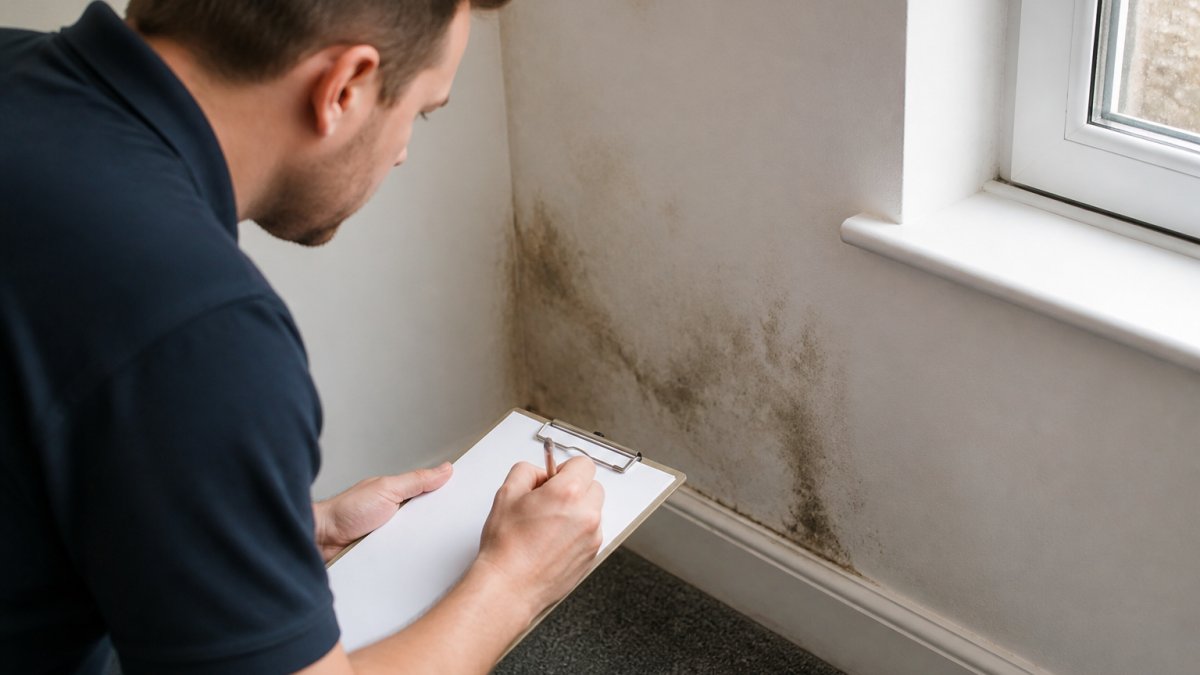
Visible mould patches, often black, green, or white
Peeling or bubbling paint and wallpaper
Damp or discoloured walls and ceilings
Condensation on windows or walls
Check areas prone to moisture like bathrooms, kitchens, basements, and around windows. If you notice persistent damp or mould, it is important to act quickly.
How to Reduce Health Risks from Damp and Mould
Taking steps to control moisture and remove mould can improve your home environment and protect your health.
Improve Ventilation
Use extractor fans in bathrooms and kitchens
Open windows regularly to allow fresh air circulation
Avoid drying clothes indoors without ventilation
Control Moisture
Fix leaks in roofs, pipes, and gutters promptly
Use a dehumidifier in damp rooms
Insulate cold surfaces to reduce condensation
Clean and Remove Mould Safely
Wear gloves and a mask when cleaning mould
Use detergent and water or a mould-specific cleaner
Avoid mixing bleach with other cleaning products
Dispose of heavily moulded materials like carpets or wallpaper if necessary
Seek Professional Help
If mould covers a large area (more than 1 square meter) or returns despite cleaning, hire a specialist. Professionals can identify hidden damp sources and safely remove mould.
Protecting Vulnerable Individuals
Children, elderly people, and those with asthma or allergies should avoid exposure to damp and mould. Keep their living spaces dry and well-ventilated. Consult a healthcare provider if symptoms worsen or new health issues appear.
Comments